
2026 started with a bang.
Following a slow start to the 2025–26 season at Alta Ski Area, the holidays and the first 10 days of January have brought our biggest storm cycles yet. Skiers enjoyed a white Christmas and a series of storms wrapping up 2025 and bringing a fresh start to Alta in 2026. The New Year is here and winter has arrived for our 88th season.
Since New Year's Day, 66.5 inches of fresh snow have blanketed the slopes of Alta.
Between dense graupel snow, three-inch-an-hour squalls and a little lake effect, Alta Ski Area is beginning to look—and feel—like a winter wonderland again. With a 63-inch settled snow depth, all five lifts and 100-plus runs now open daily, we're finally celebrating our 88th season by making powder 8s—and 88s—on the deep days that have been Alta's signature since 1938.
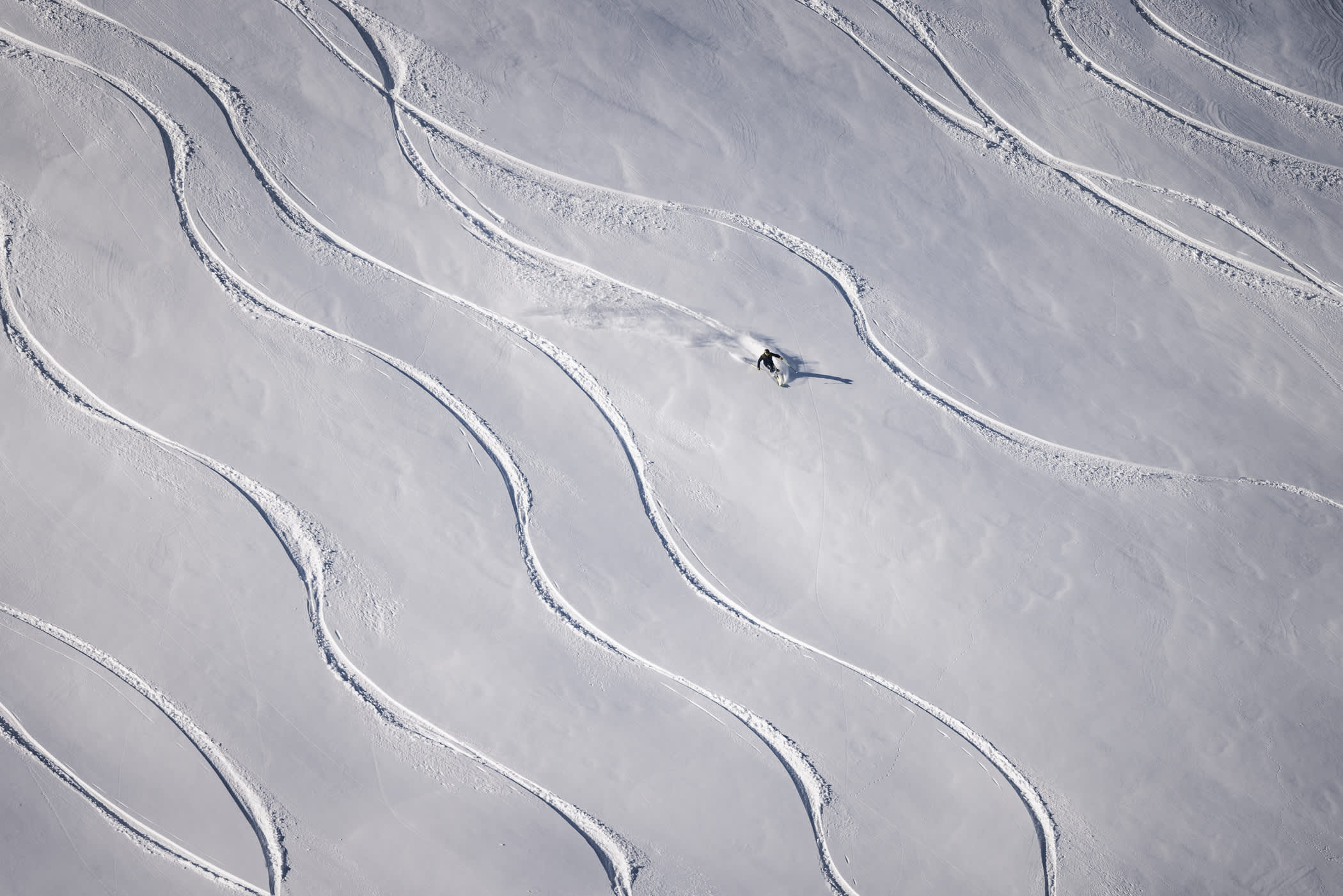
December 29th: Greeley Bowl rope drop | Photo: Rocko Menzyk
The Greeley Bowl and Greeley Hill rope drop on New Year's Eve allowed Alta skiers to do a little dancing before the New Year. The snow let up just long enough for us to celebrate the New Year with a fun and festive—albeit unseasonably warm—Torchlight Parade and Fireworks Show under the starlight.
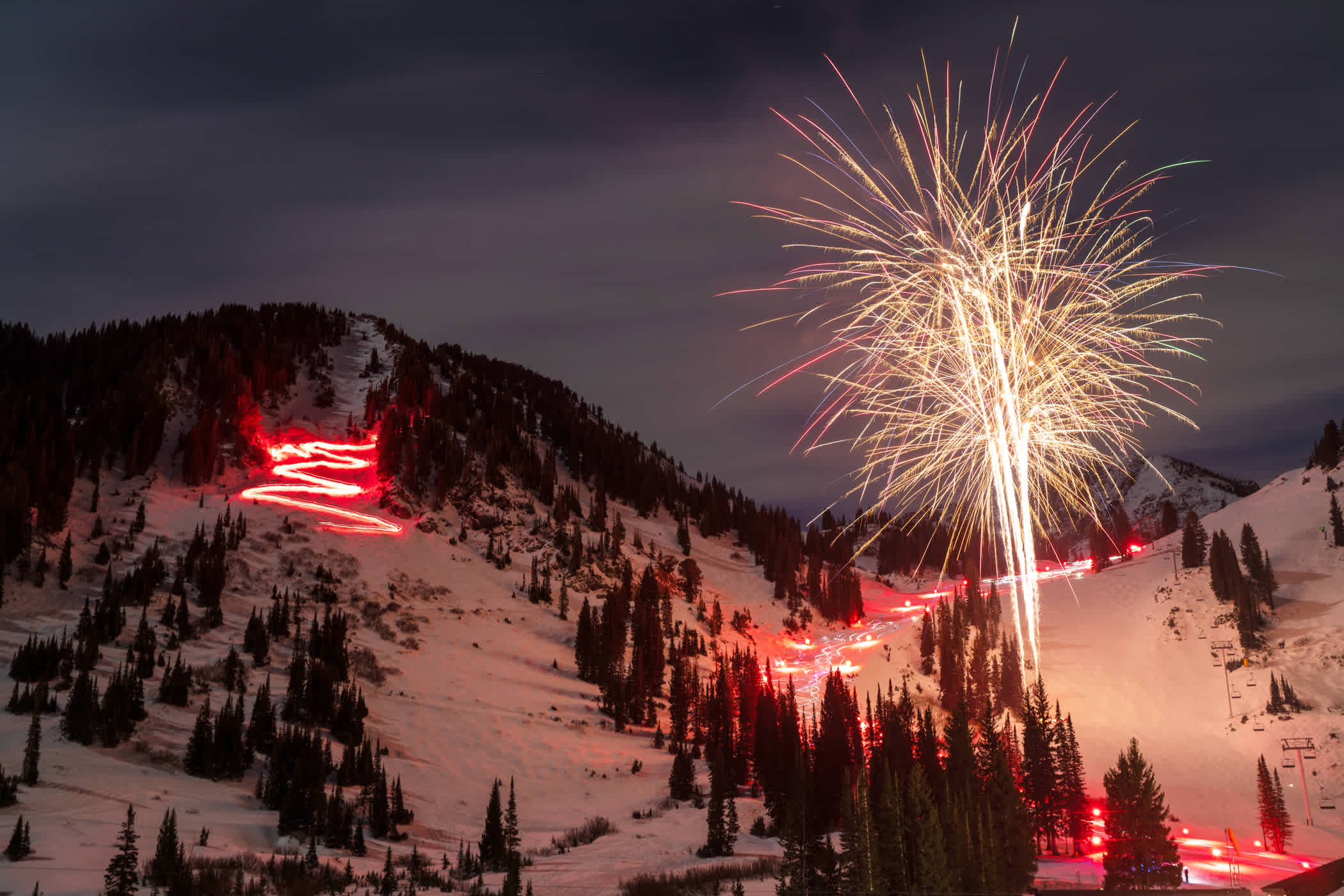
December 31st: NYE Torchlight Parade & Fireworks | Photo: Tyler Struss
January 2026 | 69 inches of snow—72.5% of average
Like confetti falling as the ball dropped, the New Year welcomed new snow. Four inches of dense snow accumulated by last chair and snowfall rates picked up overnight. By the morning of January 2nd, 16 inches of dense snow had blanketed Alta Ski Area.
The new year started with a bang—literally. Just as Alta Ski Patrol was finishing avalanche mitigation, a power pole next to Wildcat lift succumbed to the weight of the new snow, triggering a display of blue sparks as the power pole snapped in half. The resulting power surge delayed Collins and Wildcat lift openings for a few hours as our crews went to work.
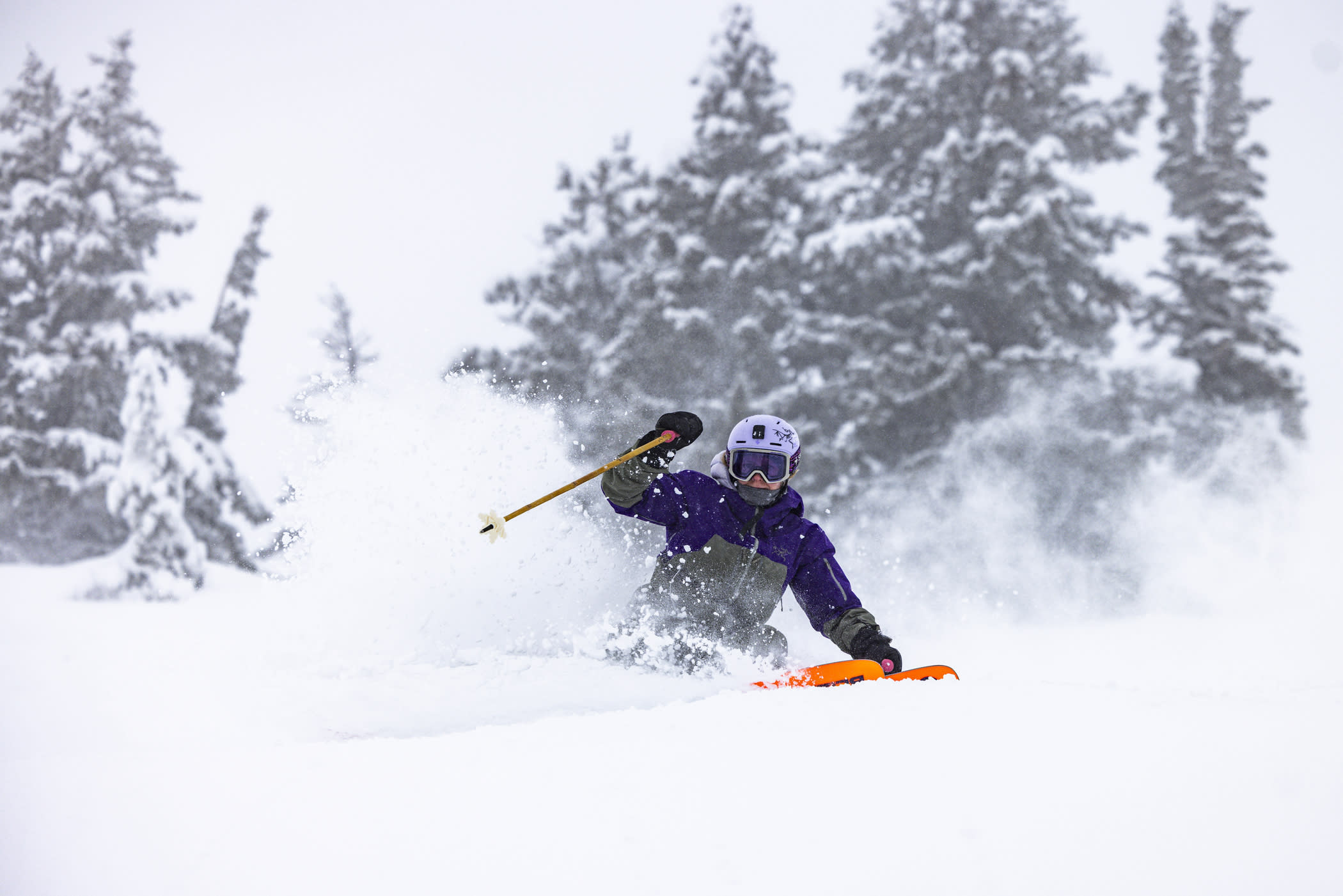
January 2nd: Piper Kunst skis powder from Wildcat lift | Photo: Rocko Menzyk
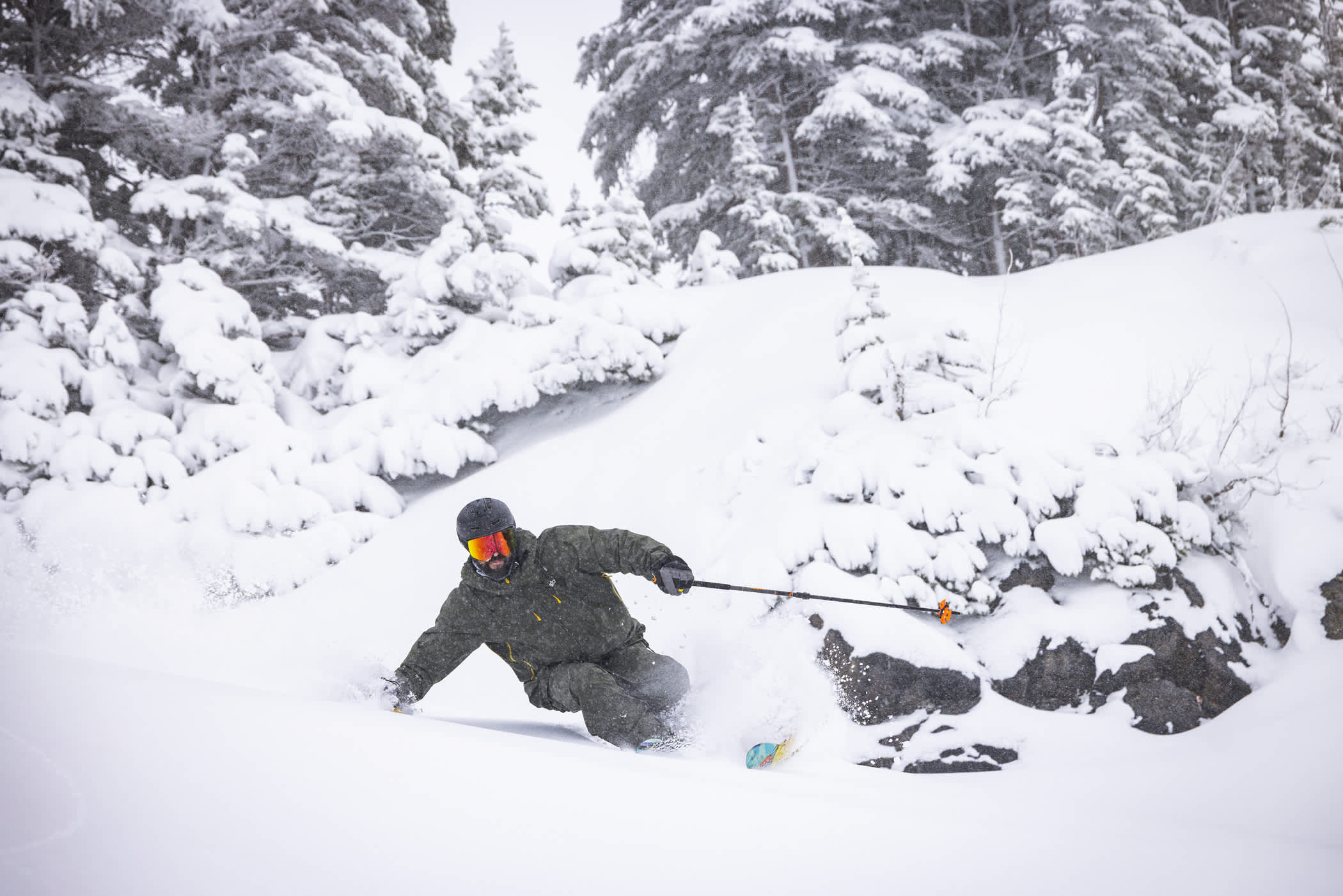
January 2nd: Giray Dadali finds fresh snow in Catherine's | Photo: Rocko Menzyk
On January 3rd, Alta Ski Patrol opened the High Traverse from the top, greatly expanding skiable acreage in the High Country. Alta's snowmaking and snowcat crews utilized the new snow and cold temperatures to expand groomed terrain in the Albion Basin and Collins Gulch.
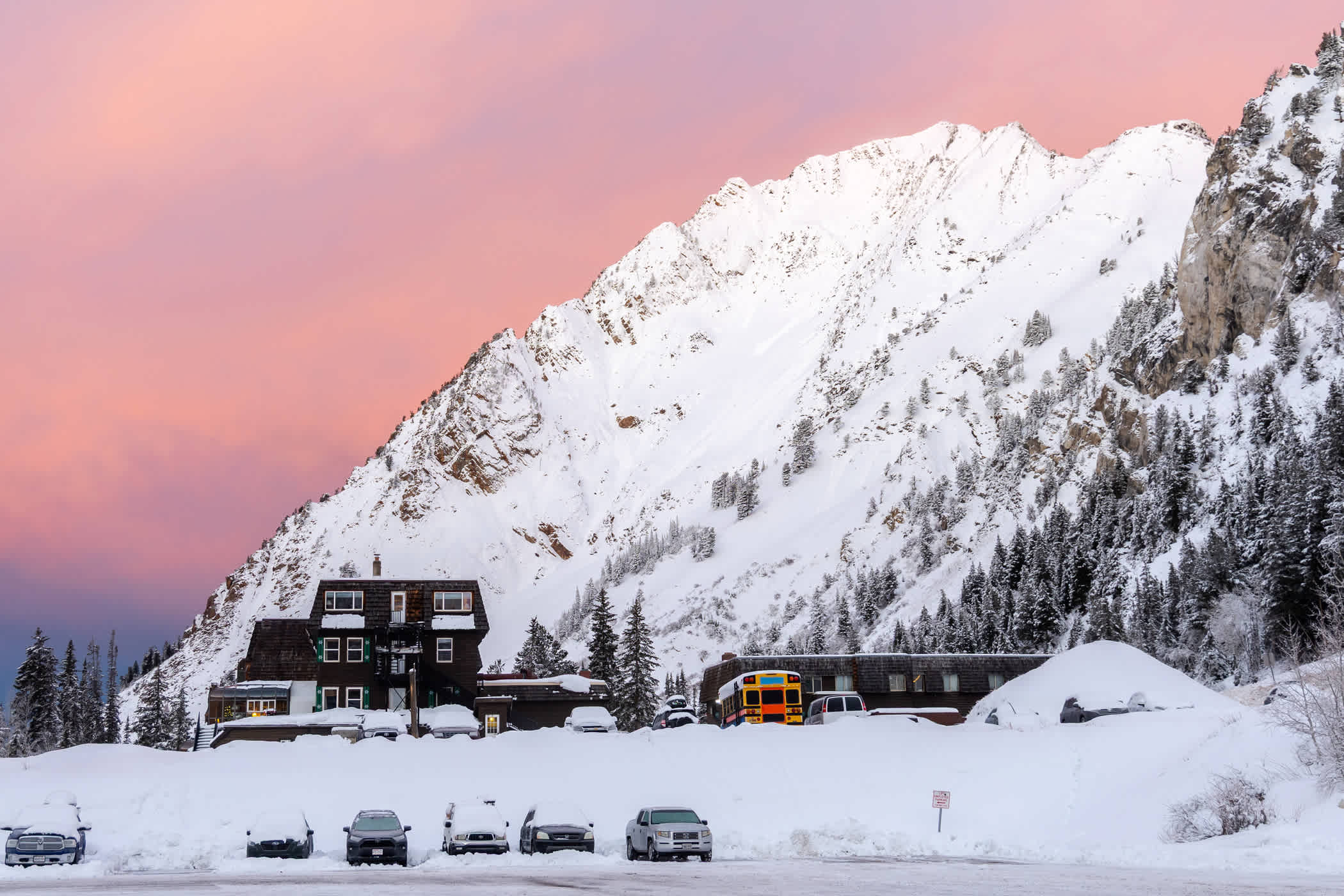
January 3rd: A beautiful sunrise between storms | Photo: Photo-John
As the first weekend in January came to a close, a wet and wild storm arrived via a southwest flow—a familiar pattern this season that has frequently seen high snow levels and underperforming storms. Maybe it was the New Year and a new snowfall trend, but snow levels were slightly colder than previous storms, and it wasn't long before graupel started accumulating quickly on the slopes of Alta.
By the following morning, 15 inches of graupel and dense snow had fallen at the Collins Study Plot. As Alta Ski Patrol began performing avalanche mitigation, convective snowfall made its way up Little Cottonwood Canyon, throwing graupel, thunder and lightning at the mountains.
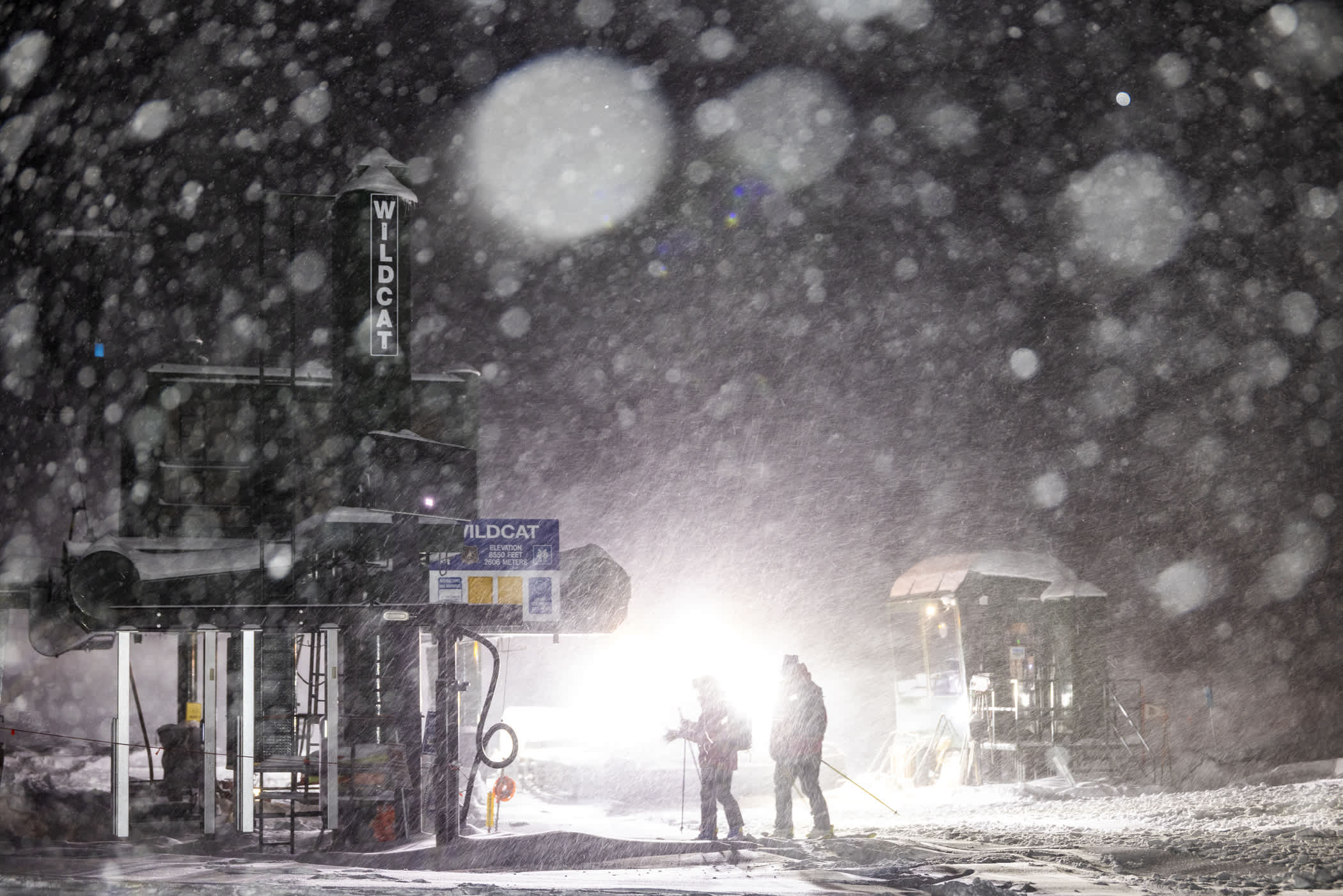
January 5th: Early morning for Alta Ski Patrol | Photo: Rocko Menzyk
Patrollers sheltered as the boundary front passed through, delaying avalanche mitigation and the opening of lifts for a few hours. The lightning subsided and all five lifts opened by noon. And then the snow started coming down again, peaking at three inches an hour before the clouds finally parted. It was a slightly delayed, but wonderful day of storm skiing.
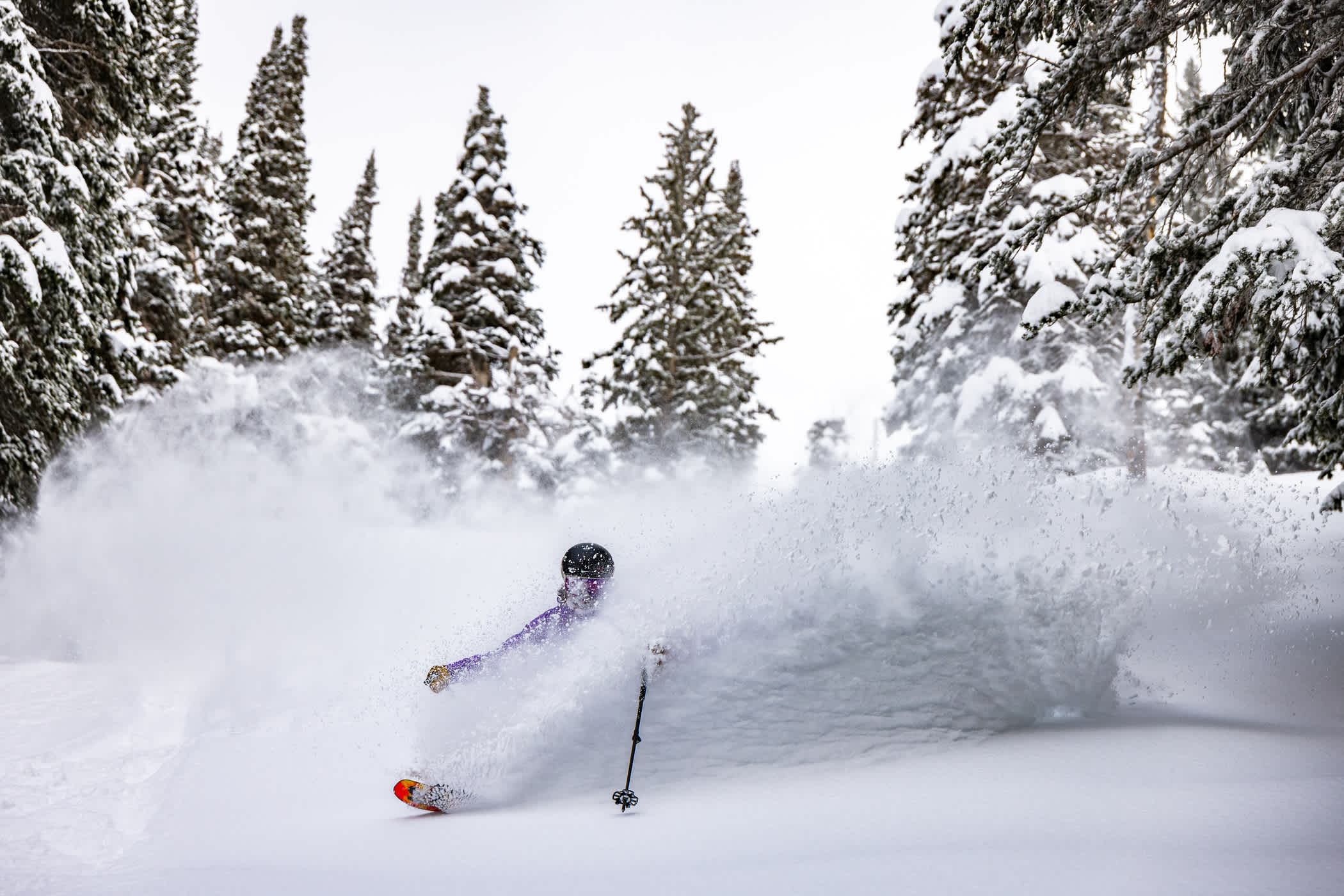
January 6th: Taylor Pratt storm skiing after a lightning hold | Photo: Rocko Menzyk
On Tuesday, January 4th, the sky had turned blue and Alta skiers were treated to a bluebird powder day following a 29.5-inch storm—the biggest storm of the 2025–26 season. Alta's teams opened all five lifts, providing access to over 80-plus runs following rope drops in Ballroom, Baldy Shoulder the High Traverse, Supreme Bowl and Catherine's Area.
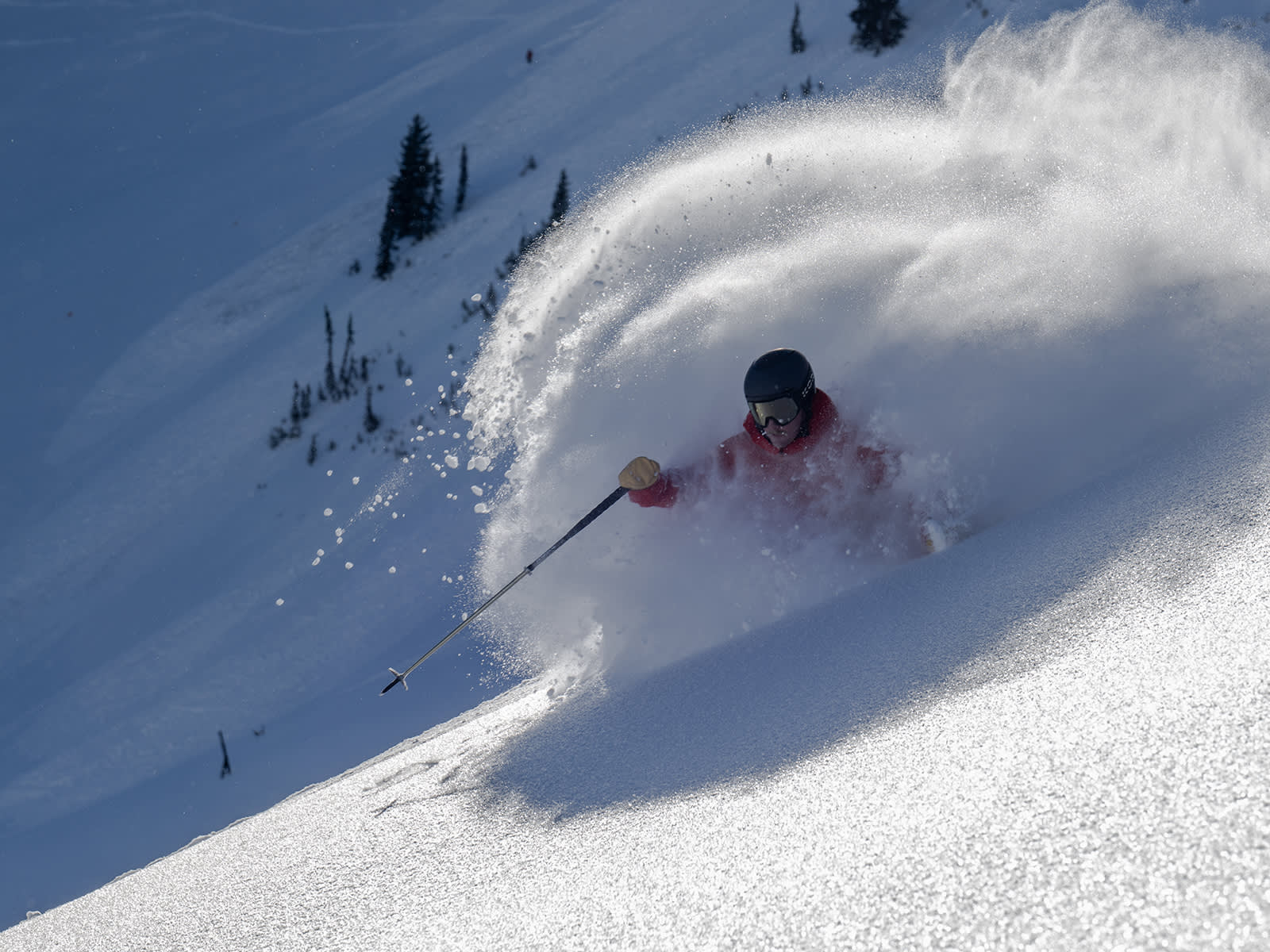
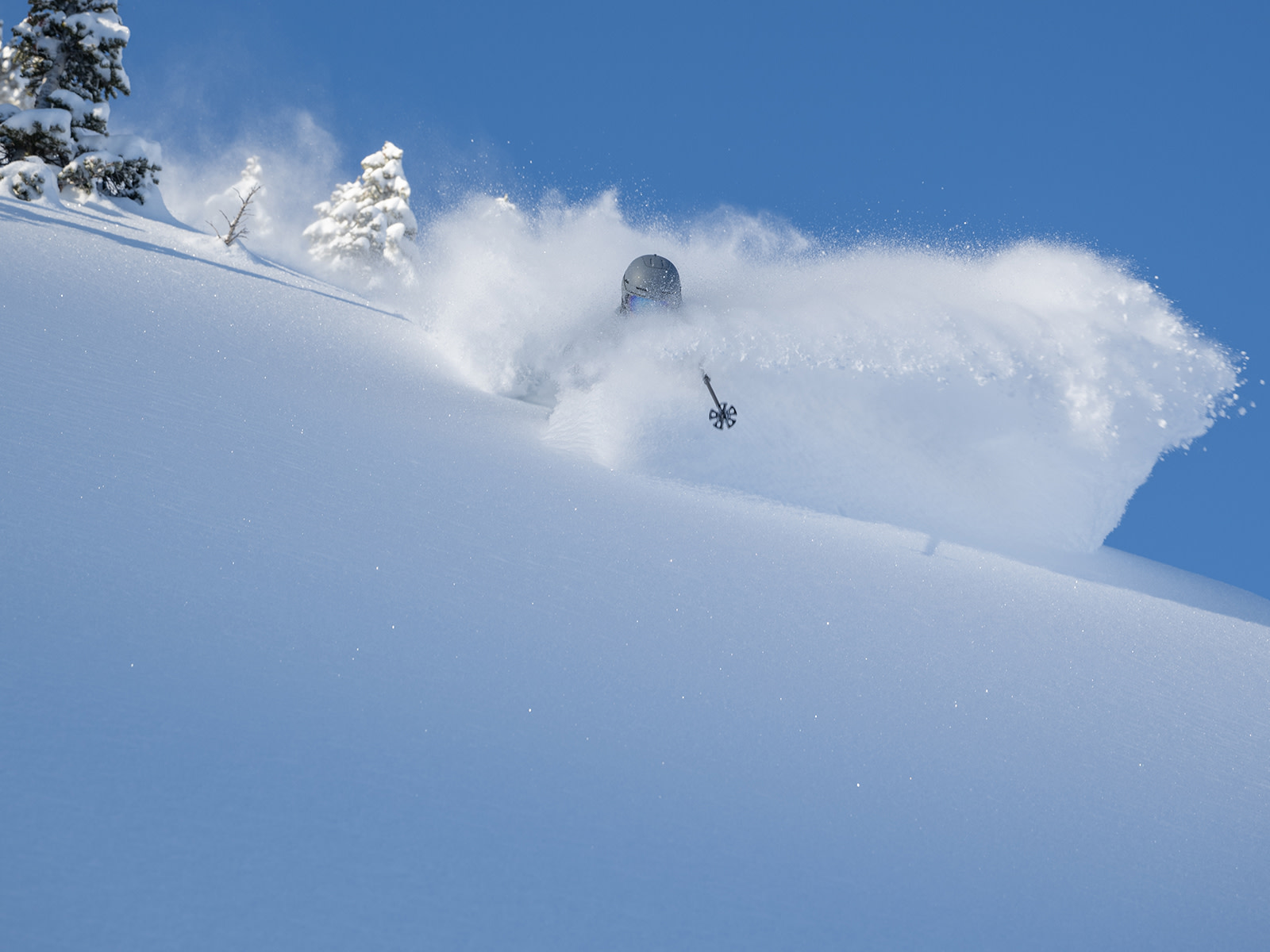
January 6th: Tommy Flitton (L) and Tyler Peterson (R) ski deep powder on a blurbird powder day | Photos: Lee Cohen
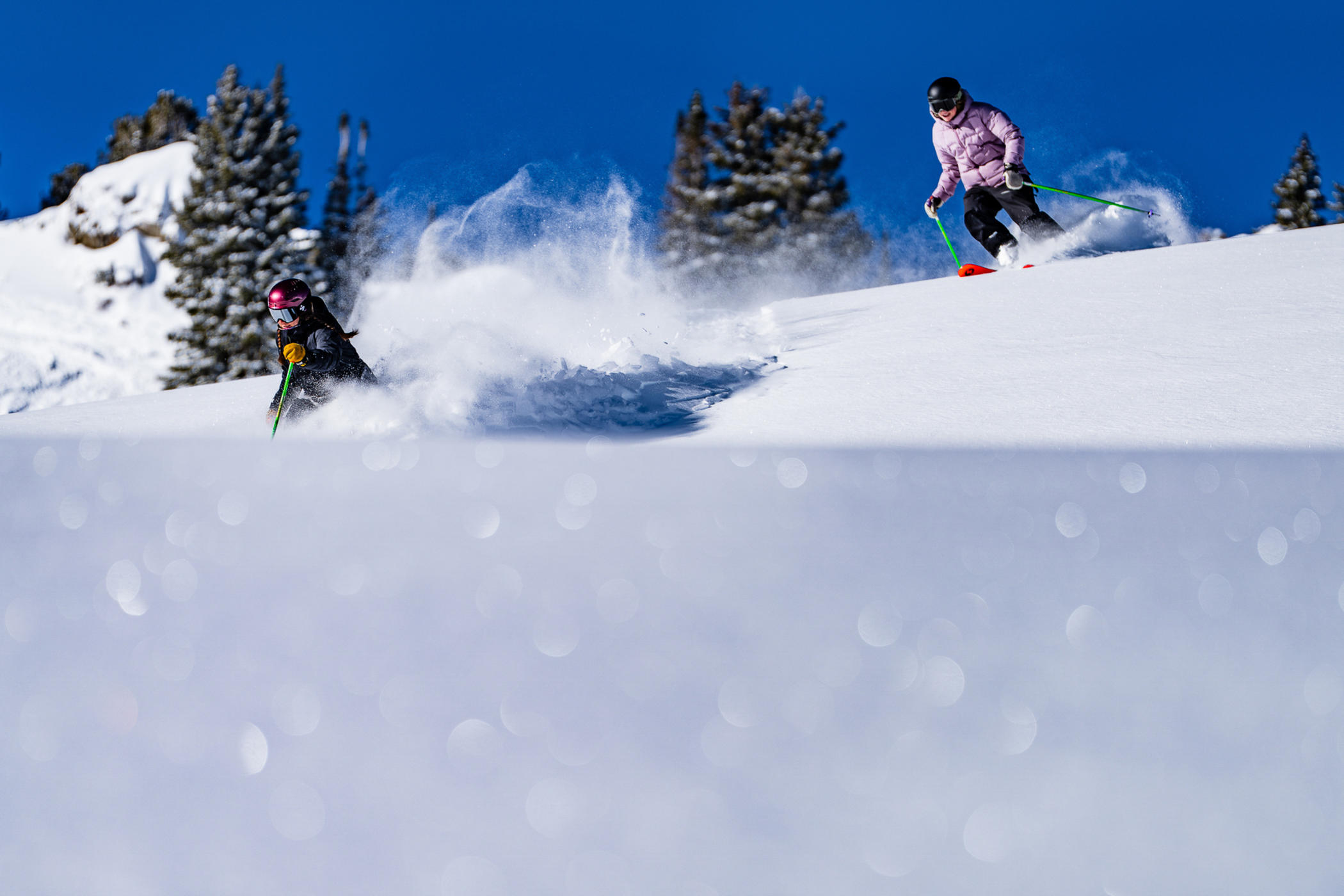
January 6th: Kalen Griffin and Jacqueline Pollard catch the High Traverse opening | Photo: Tyler Struss
A third storm in the first week of January ushered in a colder storm and a prolonged period of northwest flow—the ideal weather pattern for deep powder skiing at Alta. The snow started falling overnight, delivering seven inches of powder for first chair. After a lull in the morning, the flakes started stacking up around noon, and didn't want to stop.
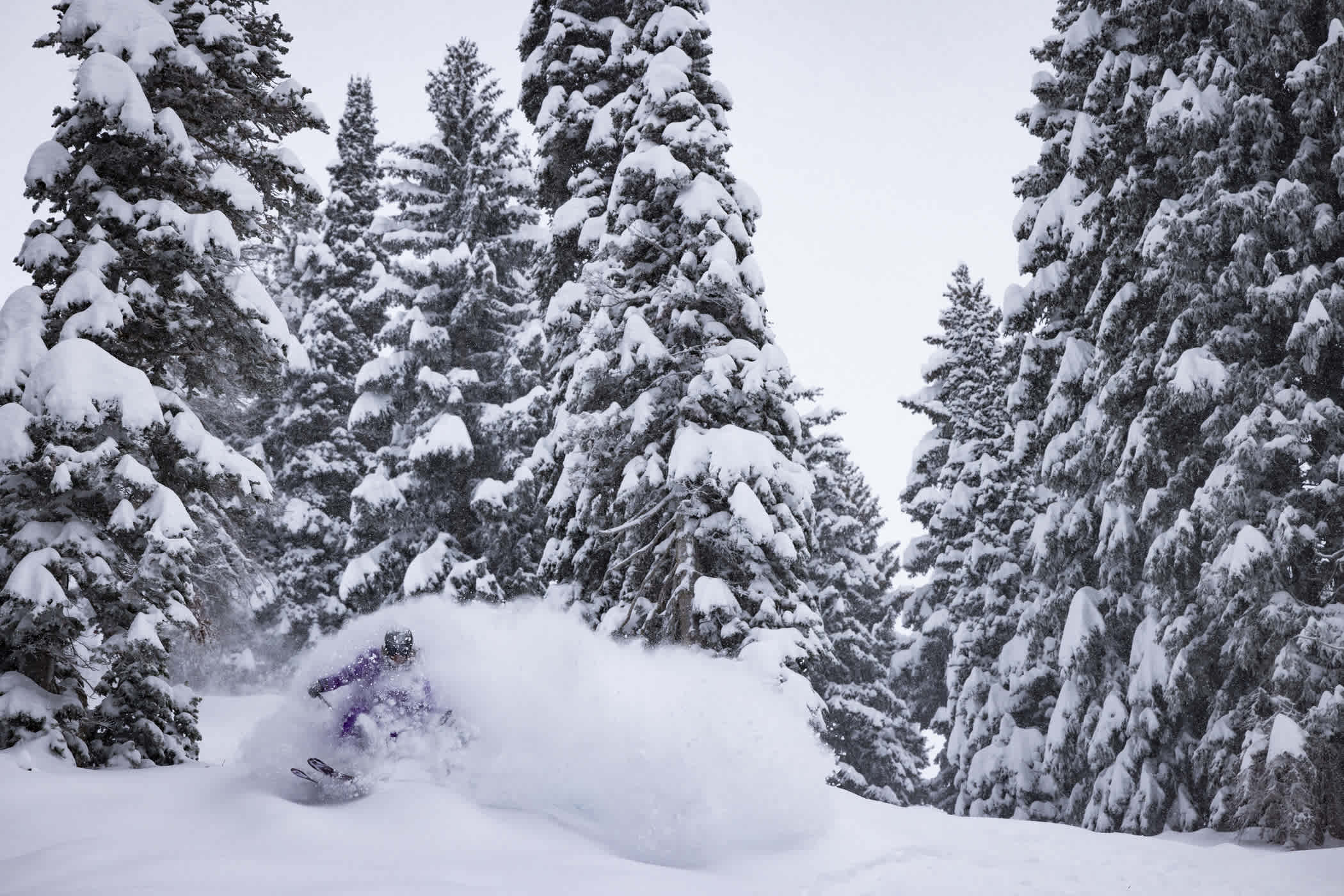
January 8th: Georgie Knox bounces through blower powder | Photo: Rocko Menzyk
By last chair on January 8th, 14 inches of snow had fallen. Just as it seemed the storm was done, lake effect kicked in, dropping another eight inches of snow overnight before the last wave of moisture had passed and the sky turned blue.
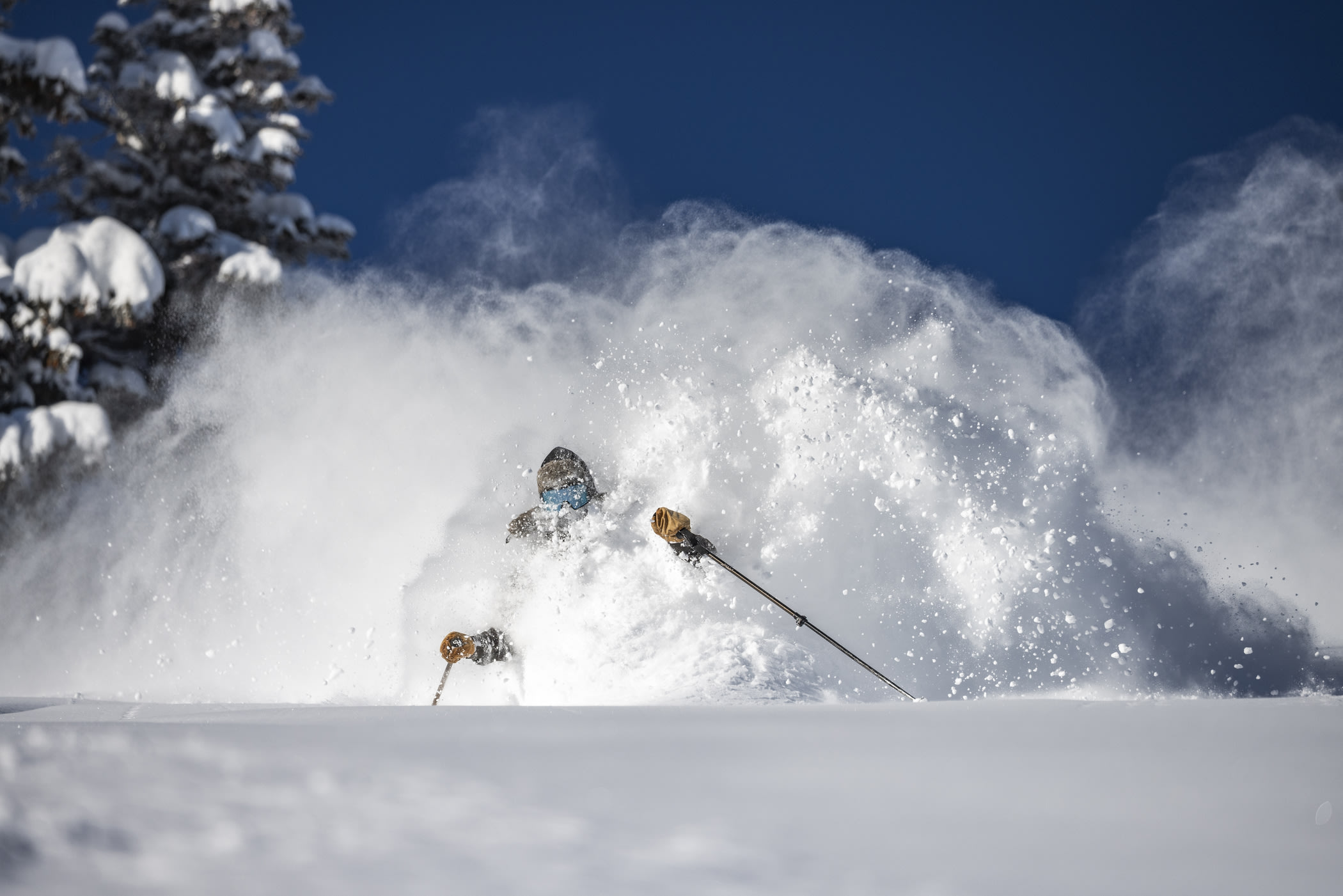
January 9th: Michael Cherchio dives into 22 inches of Alta Magic | Photo: Rocko Menzyk
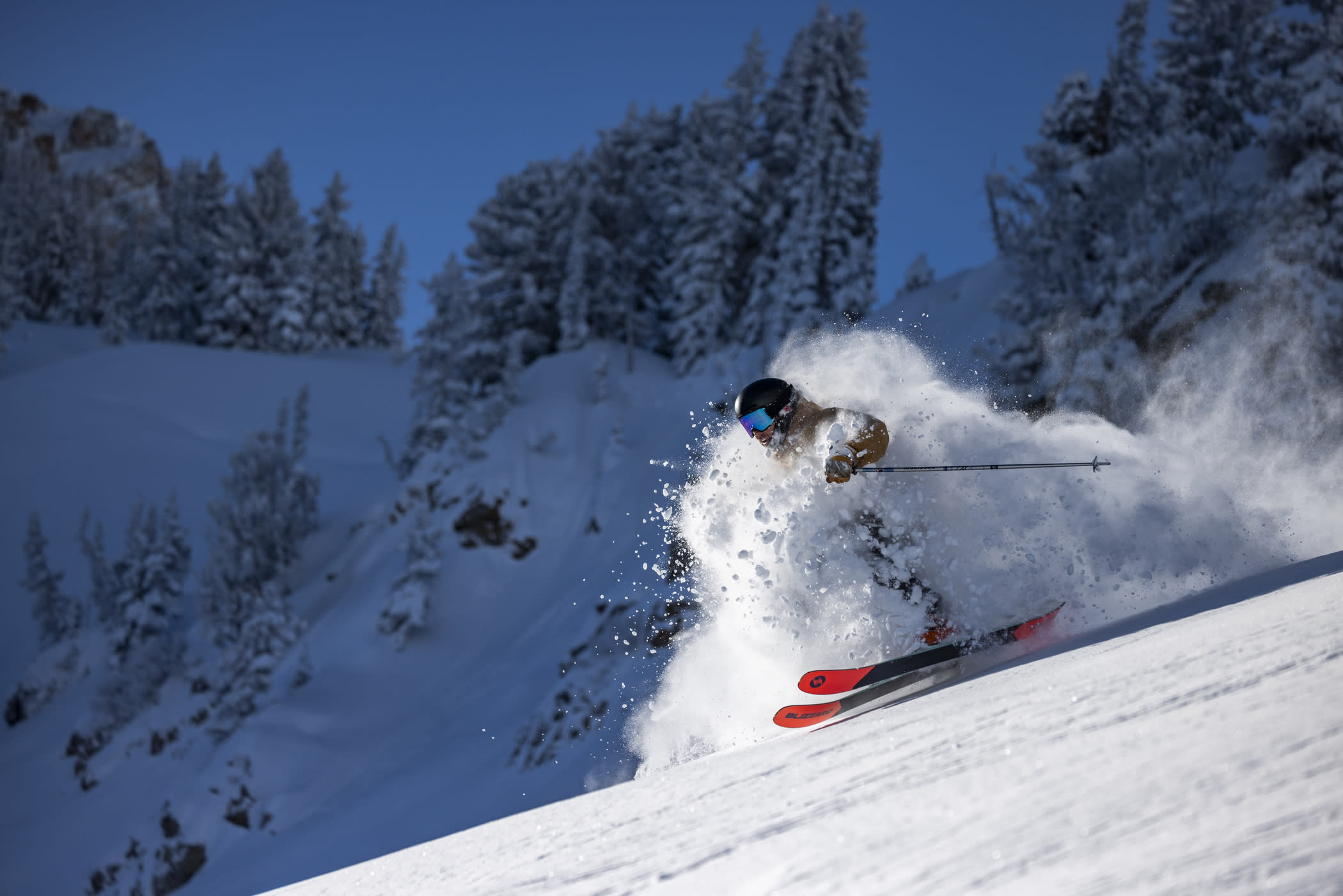
January 9th: Aaron Rae on a bluebird powder day | Photo: Rocko Menzyk
In total, 22 inches of fluffy powder snow fell on the slopes of Alta. In a season dominated by warm storms from the southwest that have frequently underperformed forecasted snowfall totals, it was a welcome sight to experience a cold, lake-enhanced northwest flow—and maybe a little Alta Magic—that exceeded most forecasted snowfall totals. The new snow bumped our settled snow depth to 70 inches and season-to-date snowfall to 140.5 inches. It also made for a really great weekend of powder skiing as Alta Ski Patrol opened the Backside for the first time this season.
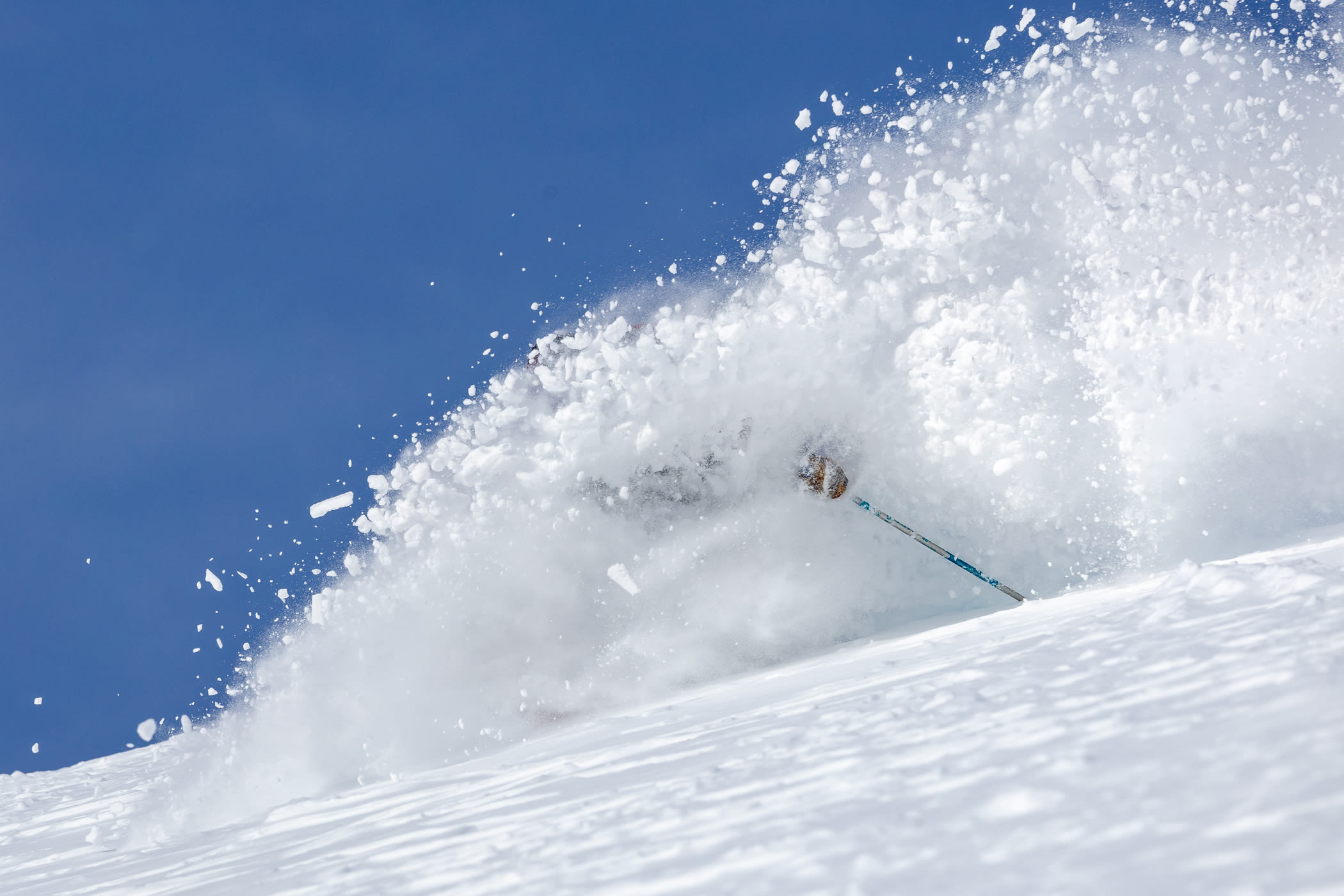
January 11th: Jack Garver catches a bluebird Backside rope drop | Photo: Photo-John
During the first 10 days of January, Alta received 66.5 inches of snow from over seven inches of water. January is already the snowiest month of the 2025–26 season, so far.
With 100% of lifts and 99% of runs open, it's been a good start to the New Year at Alta
And just like that, high pressure settled above the West and the storm train derailed itself. The well-timed storm and a 60-inch settled snow depth have allowed our teams to expand grooming and open 117 of our 118 runs—only the Baldy Chutes have yet to open this season. As of January 22nd, it's now been two weeks since our last fresh snow, but the cold temperatures and low sun angles of January are preserving the snow. While we wait for the snow to return, the high-elevation north-facing terrain has been chalky and fun.
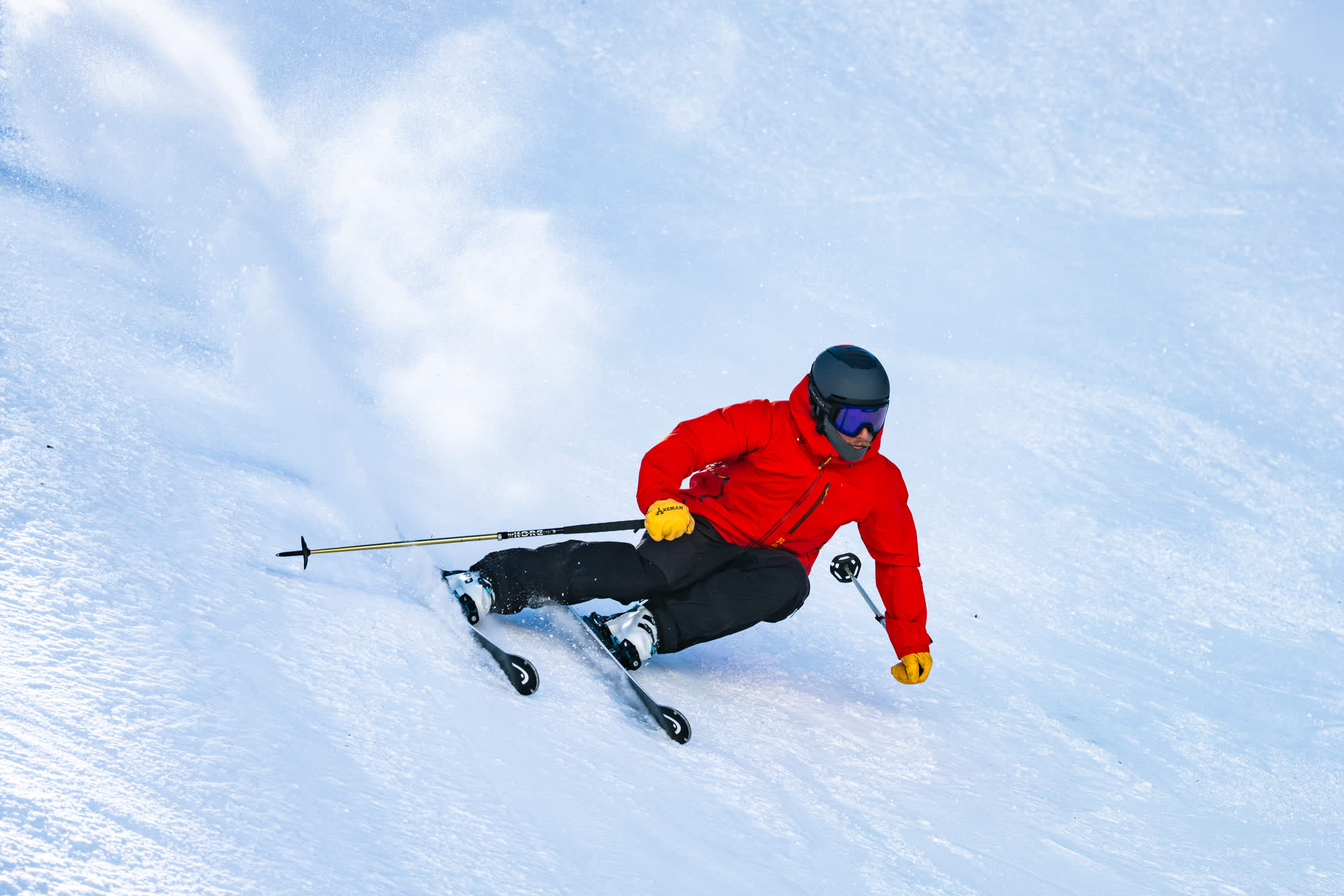
January 20th: Tommy Flitton building up some ski legs | Photo: Tyler Struss
Our snowcat crews have been busy refreshing the groomed slopes through the long nights. Given the warm, wet and slow start to the season, this recent stretch of calm weather provided plenty of opportunities to soak up some sun while building up our ski legs—one groomer, sidestep, traverse, bootpack or conveyor lap at a time.
Stay tuned to our Lift and Terrain Status page for daily grooming updates and terrain openings. Lift & Terrain Status >
Make our 88th season your New Year's Resolution.
We cordially invite you to bring your family and friends and celebrate 88 years of timeless turns. Join us in paying homage to Alta’s rich history for our 88th winter by visiting your favorite powder stash and leaving powder 8s in your wake. The figure 8s we leave in the snow are a visceral link to the skiers who came before. Your powder 8s commemorate the stories, tales and tradition that define the community of this special place.
Using Your Ikon or Mountain Collective
Alta Ski Area no longer accepts the Ikon Base Pass, but we are still part of the Ikon family. Skiers must have a full Ikon Pass to ski Alta. The Ikon Friends and Family discount provides 25% off an Alta-Bird day pass for a friend or family member (not yourself), available day of at any ticket window.
The Mountain Collective Pass provides two days of skiing at Alta and two days of skiing at Snowbird. Additional ski days are 50% off at Alta and Snowbird. There are no blackout dates, even during the holiday season. Alta season passholders received Mountain Collective Reciprocity at Snowbird and 25 other destinations.
Ikon and Mountain Collective passholders are required to make parking reservations Friday–Sunday and holidays from 8am–1pm.
Ikon & Mountain Collective Passes at Alta >
January Is Learn To Ski Month
Learn To Ski
Is learning to ski—or learning to ski better—your New Year’s Resolution? The Alf Engen Ski School can help you achieve your goals in 2026.
- The Adult Learn To Ski Program is an all-inclusive offering to take you from non-skier to skiing greens and blues in four discounted sessions
- Kids Class Lessons and Camps help to foster a lifelong love of skiing
Learn To Ski Better
Alta offers plenty of Private Lessons, Adult Camps and Multi-Week Programs to take your skills to new heights in the new year.
- Want to perfect your powder-eights? Adult Camps offer unrivaled variety, elite coaching and the secrets of great skiing
- Adult Multi-Week Programs are a great tool for rounding out your foundational skills—no matter your skill level
- Private Lessons and Guides will elevate your skiing to new heights in the new year

Plan Your Trip to Alta
New Year, New Transportation Hub
We recently launched a new Getting Here page for local and visiting skiers. Our new transportation hub highlights public transportation, private shuttles, parking reservations and the UDOT Traction Law. You can also find Winter Driving Tips, learn more about the free Alta Town Shuttle and plan the best way to get from the SLC Airport to Alta.
Parking reservations are required Friday–Sunday and holidays from 8am–1pm.
These reservations help us manage the ski experience by limiting the number of skiers to available terrain and lift capacity. If you are unable to make a reservation, catch the Ski Bus, carpool with someone who has a reservation or plan to ski after 1pm when reservations are no longer required.
We release additional parking reservations on Sundays at 3pm for the upcoming week—plan ahead.
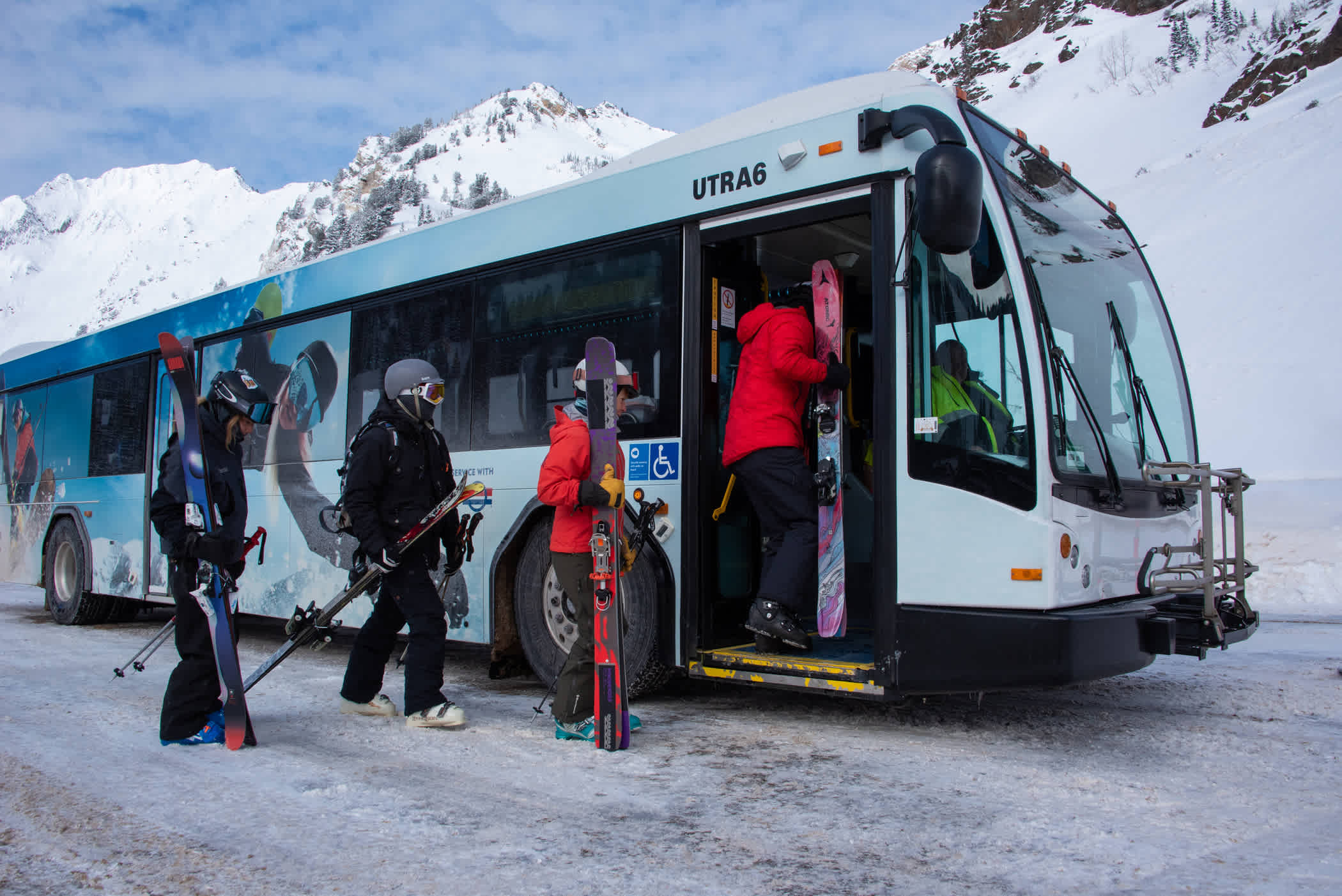
Ride the Ski Bus
The Utah Transit Authority has expanded Ski Bus service to Alta Ski Area. The 994 Route is now joined by Canyon Service buses (CS1 & CS2). Ride the Ski Bus this holiday season and make riding the Ski Bus one of your New Year's resolutions.
Season-To-Date Snowfall Recap.
A wet and wild October gave way to a meh and mild November as temperatures warmed and storms fizzled en route to the Wasatch. Following one of the driest Novembers on record, the first storm of December was exactly what we needed to jumpstart the season. Thanks to the hard work of our staff and a well-timed storm from Mother Nature, we’ve managed to open with 54.5 inches of season-to-date snowfall and inconsistent snowmaking temperatures.
December was warm and wet. The snow that fell was dense, which allowed us to open all five lifts and 80-plus runs in time for the holidays—as our settled snow depth hovered around the 30-inch mark. The holiday season delivered much-needed storms to soften up some turns and expand terrain.
October 2025 | 14 inches of snow—52.7% of average
Believe it or not, October 2025 was actually the wettest October on record at Salt Lake City. Snow fell early on the slopes of Alta—a little too early. Almost 10 inches of snow fell in early October, blanketing Alta in top-to-bottom snowfall. A few days of warm weather followed and the early October snow melted its way into Little Cottonwood Creek.
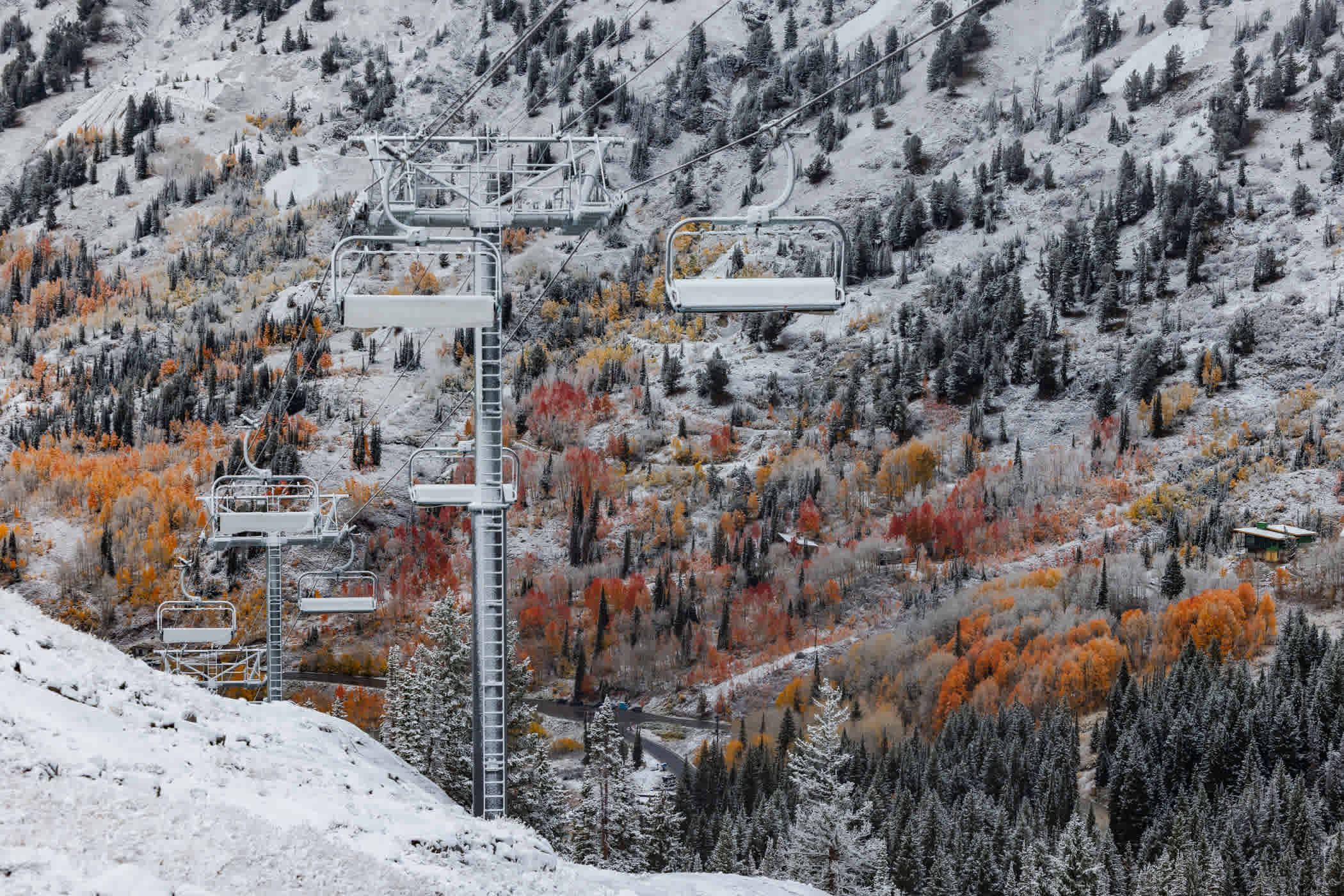
October 4th: First snowfall of the season | Photo: Rocko Menzyk
A series of storms mid-month brought another 14 inches of snow and our snowmaking crews were able to test our upgraded snowmaking lines before the end of the month. Warm weather quickly followed and only a few inches of snow remained at the Collins Study Plot on November 1st—our standard for measuring October snowfall that contributes to the season-to-date snowfall numbers.
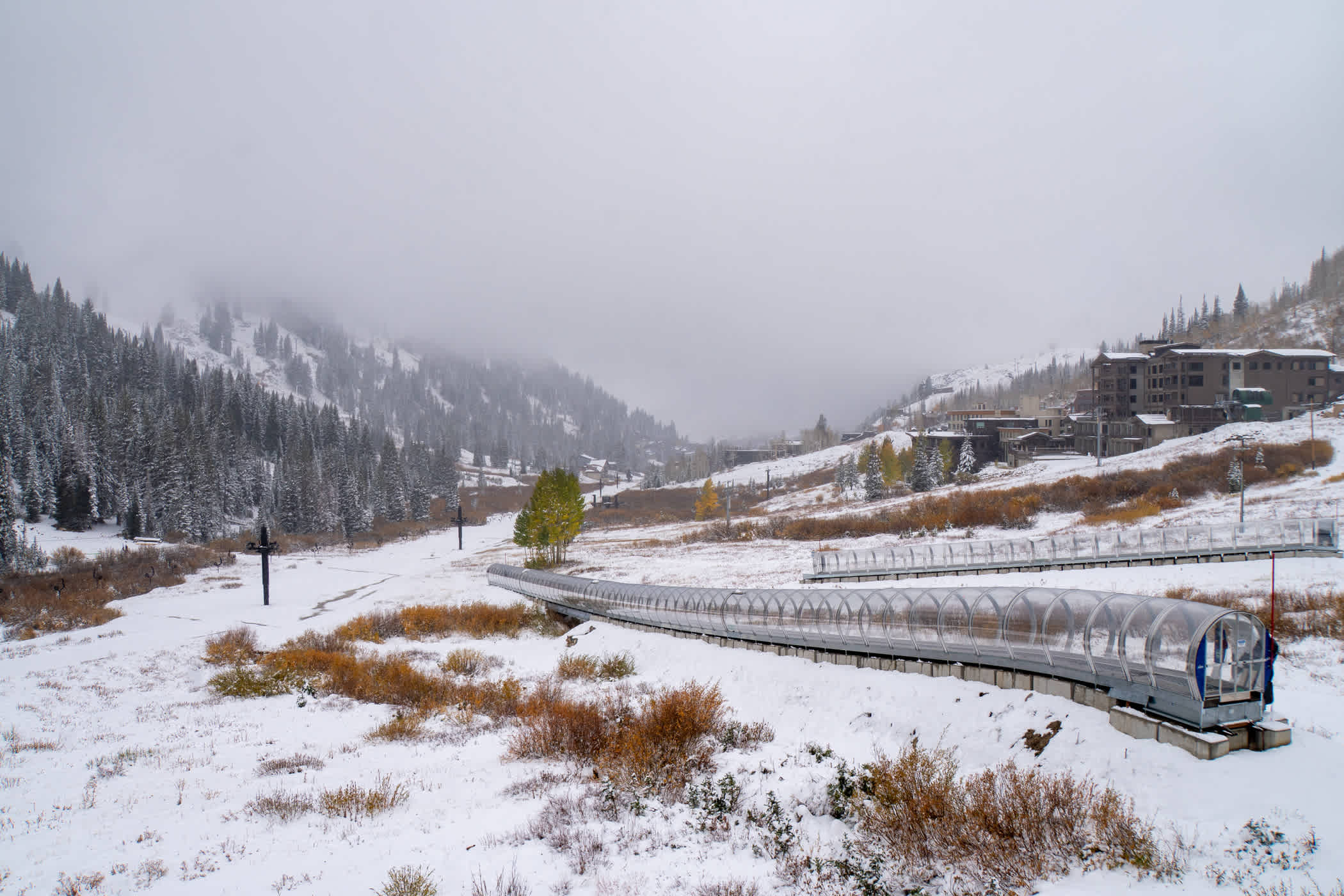
October 16th: A foot of snow in mid-October | Photo: Adam Fehr
October snowfall that contributed to the season’s base on November 1st totaled 14 inches, 53% of the 45-year October average of 26.31 inches. October water totaled 2.35 inches, 78% of the October average (3.0”).
November 2025 | 14.5 inches of snow—20.3% of average
Warm and dry weather kicked off the new month as a stubborn ridge of high pressure forced multiple storms to split on their way to the Wasatch. Snowfall either missed Utah completely or delivered meager snowfall from the scraps of storms. Unseasonably high snow levels prevented our snowmaking teams from firing up the snowguns. As we waited for the return of Old Man Winter, the decision was made to delay the start of the season from November 21st into the first week of December.
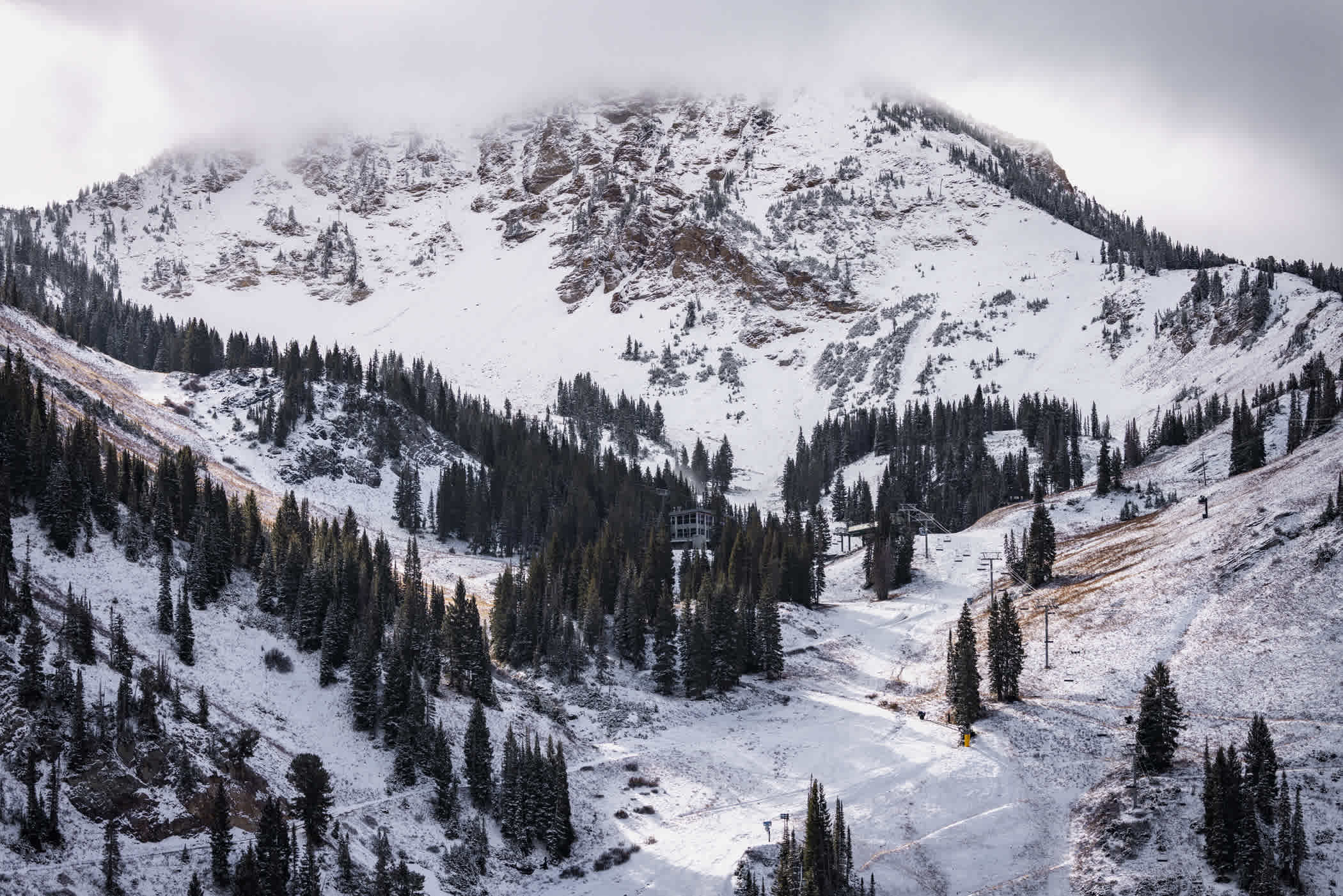
November 18th: Collins Gulch prior to our projected Opening Day | Photo: Rocko Menzyk
The delayed start to the season provided a unique opportunity to enlist our employees' help in an inaugural Winter Essentials Drive, as a way to help families in need during the holiday season—and maybe score a little goodwill with the snow gods. Working with local nonprofits, Alta skiers and community members recycled old ski gear and donated truckloads of food and winter clothing to those in need. As the final boxes of canned food were loaded up, the snow started coming down.
The final day of a dry November ushered in the return of cold air and a quick-hitting storm. The biggest storm of the month dropped 10 inches of low-density snow on the sparsely covered slopes of Alta. More importantly, our snowmaking and snowcat teams went back to work grooming corridors and building up the base areas.
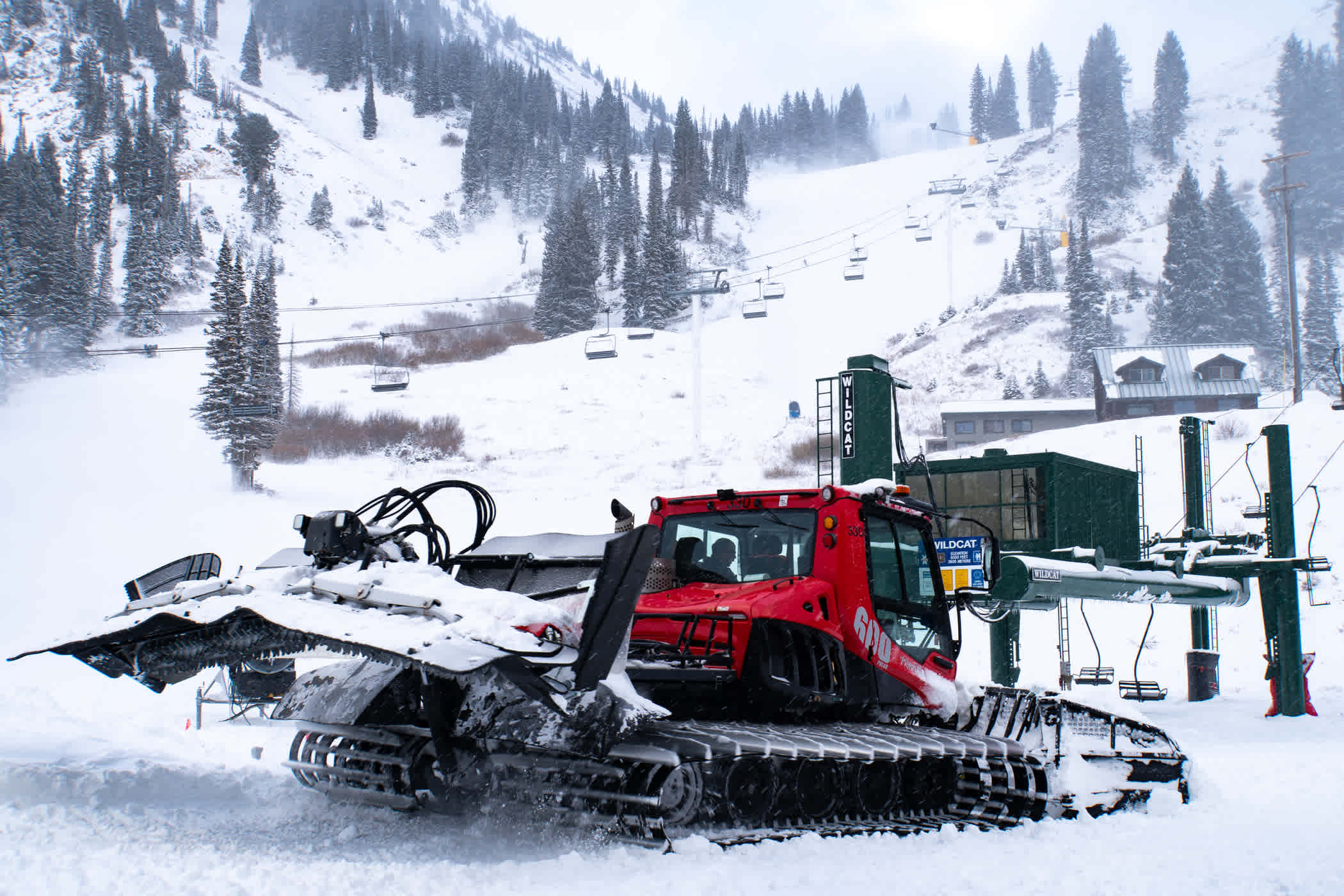
November 30th: Building the base | Photo: Adam Fehr
In total, November snowfall was 14.5 inches of snow, 20.5% of the 45-year November average of 70.62 inches. November water totaled 1.41 inches, 22.8% of average (6.15”). November 2025 was the least-snowiest November in the 46-year history of the Collins Study Plot. It was also the second-driest, finishing just .06 inches of water ahead of November 2009.
December | 45.5 inches of snow—50.5% of average
Under cold temperatures and with a little fresh snow, our snowmaking and snowcat crews worked around the clock through the first few days of December. By Wednesday, December 3rd, a corridor had been groomed in Collins Gulch. Alta Ski Patrol went to work performing avalanche mitigation, setting up tower pads, signs and rope lines. The Alf Engen Ski School conducted ski evaluations for new hires. Preseason preparations that are typically completed over two weeks in mid-November were completed in two days, just as an atmospheric river took aim at the Wasatch.
Forecasts for the first weekend in December called for plenty of snow and wind—models predicting anywhere from 12 to 48 inches of snow. A storm in the one-foot range would not be enough to open the mountain. Four feet would overwhelm the fragile early-season snowpack, leading to additional delays.
The storm started on the morning of Friday, December 5th and raged through the night and into the next day. When the clouds broke Saturday evening, Alta Ski Area was blanketed in 19.5 inches of snow from nearly three inches of water. Almost 20 inches of dense snow and plenty of wind were exactly what we needed to start our season.
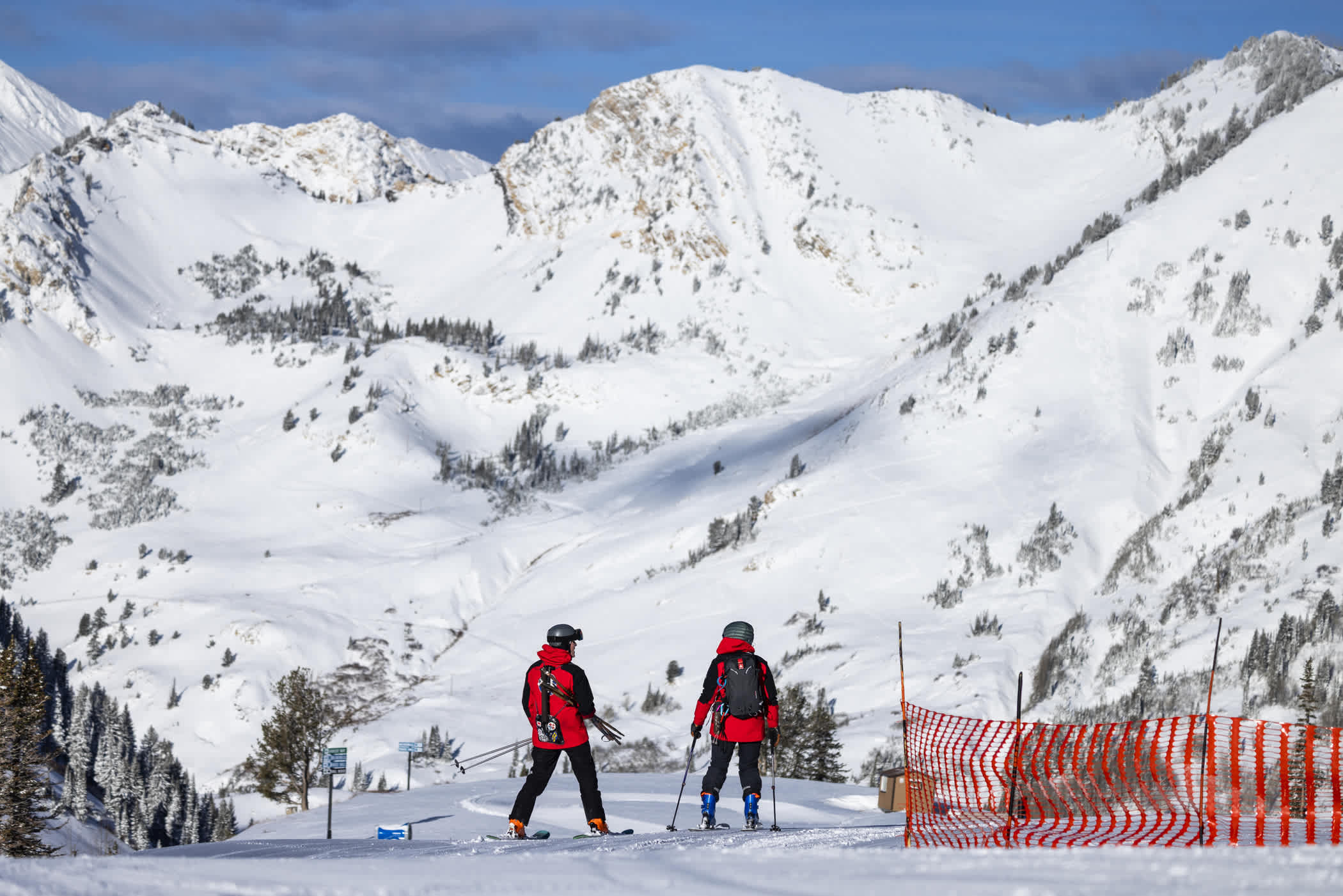
December 7th: Alta Ski Patrol finishing setup | Photo: Rocko Menzyk
On Sunday, December 7th, Opening Day featured top-to-bottom skiing on Collins and Sunnyside lifts—the Around-the-World corridor and Transfer Tow opened around noon. Alta skier's patience with the delayed start to the season paid off with great coverage on groomed runs and soft snow in some off-piste areas.
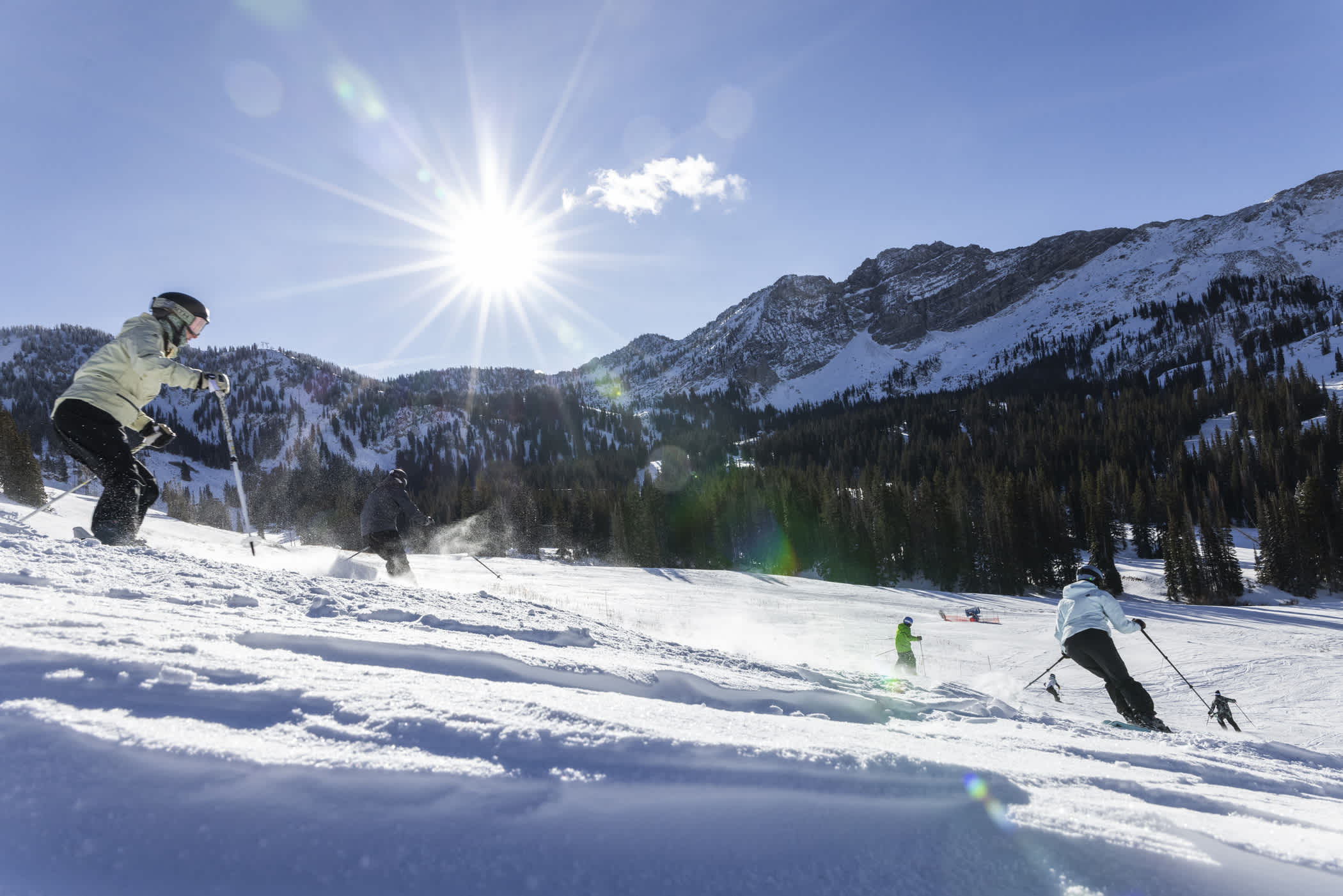
December 7th: Opening Day of our 88th season | Photo: Rocko Menzyk
The first week of the season brought additional lift and terrain openings. Wildcat opened on Monday, December 8th, a surprise bluebird powder day. Westard Ho and the Tower 10 Traverse opened the following day. Sugarloaf lift opened on Saturday, December 13th, followed the first Ballroom and Baldy Shoulder rope drop of the young season.
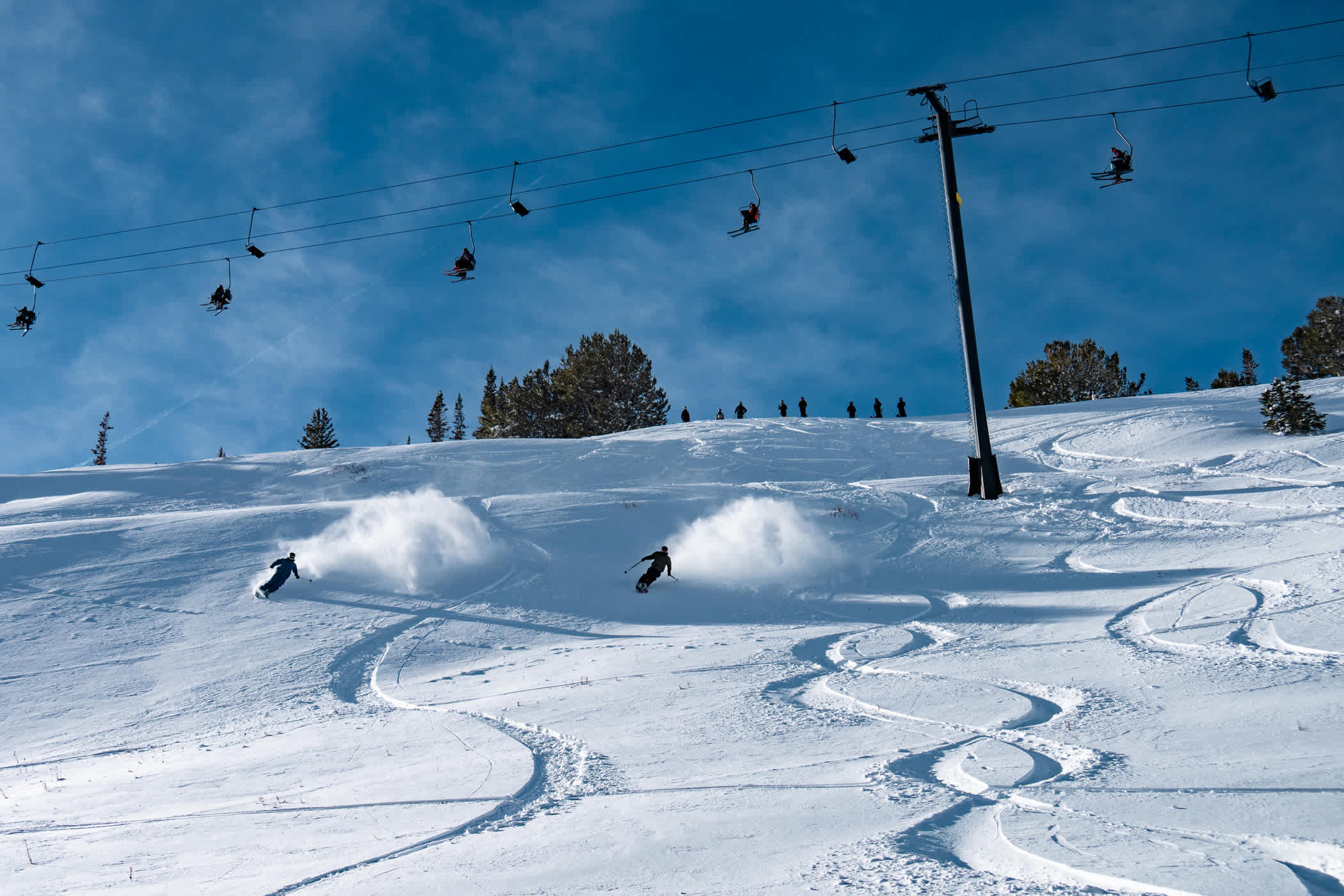
December 8th: Wildcat powder day | Photo: Tyler Struss
Following ten or so days of warm and dry weather, the first in a series of storms rolled into the Wasatch on December 17th. This fast-moving storm started as clouds and warm winds before a cold front blasted its way through Little Cottonwood Canyon. Winds increased as graupel pellets hurled themselves at the mountain. Thunder and lightning ensued—forcing Alta Ski Area to close all lifts by 3pm.
The following morning, skiers flocked to the wind-buffed slopes and four inches of graupel. Adding an inch of water to the early-season snowpack, the graupel also created a fresh canvas for Alta skiers to leave fresh tracks in the soft snow. It also allowed Alta Ski Patrol to open the High Traverse, providing access to a large chunk of terrain in the High Country—including Greeley Bowl, Eagle's Nest and Alf's High Rustler—via the Race Course bootpack.
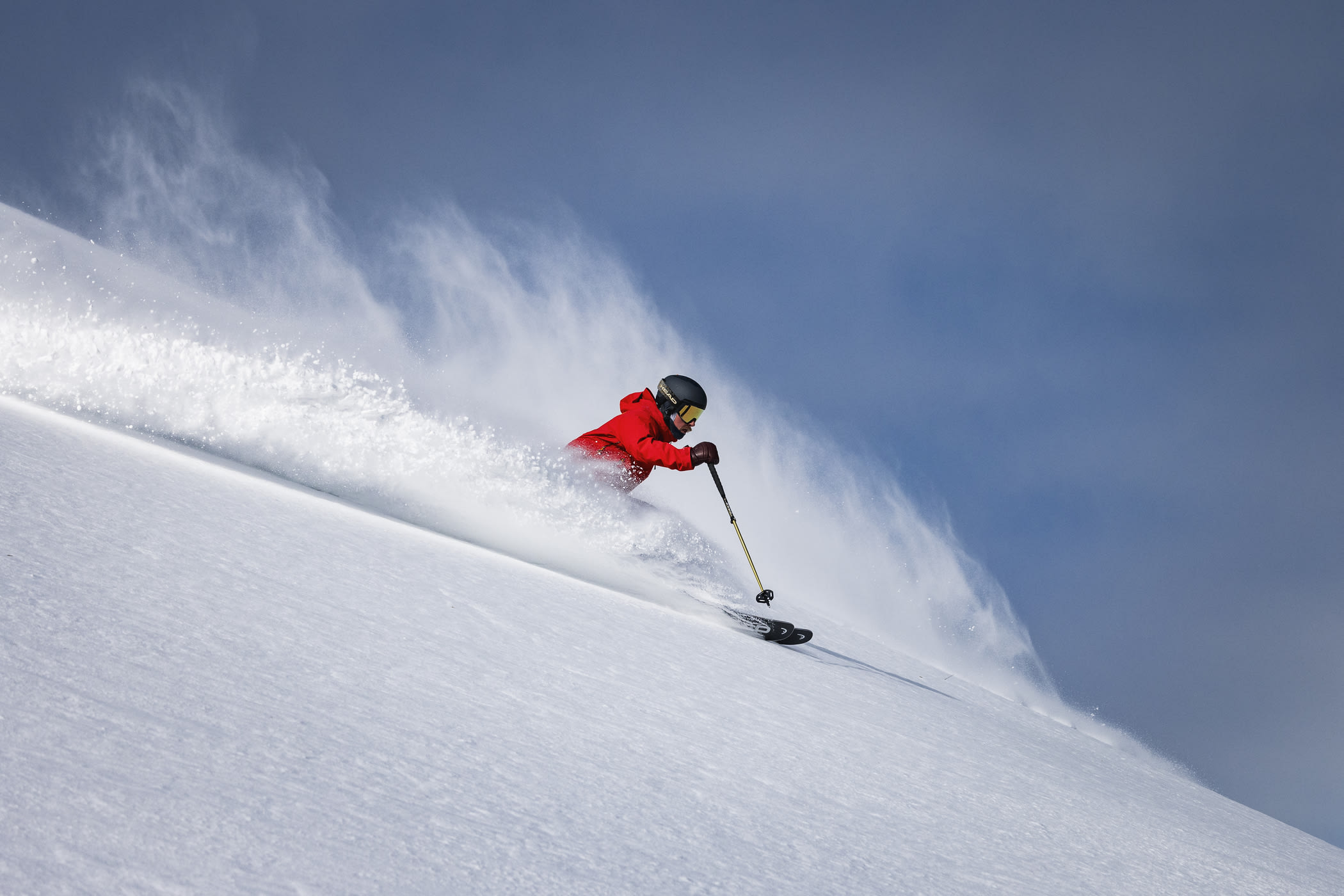
December 18th: Tommy Flitton explores the blank canvas | Photo: Rocko Menzyk
Another three inches of dense snow fell on the final day of fall, just enough coverage to open the newly aligned Supreme lift for the first time. Catherine's opened on December 21st, the Winter Solstice.
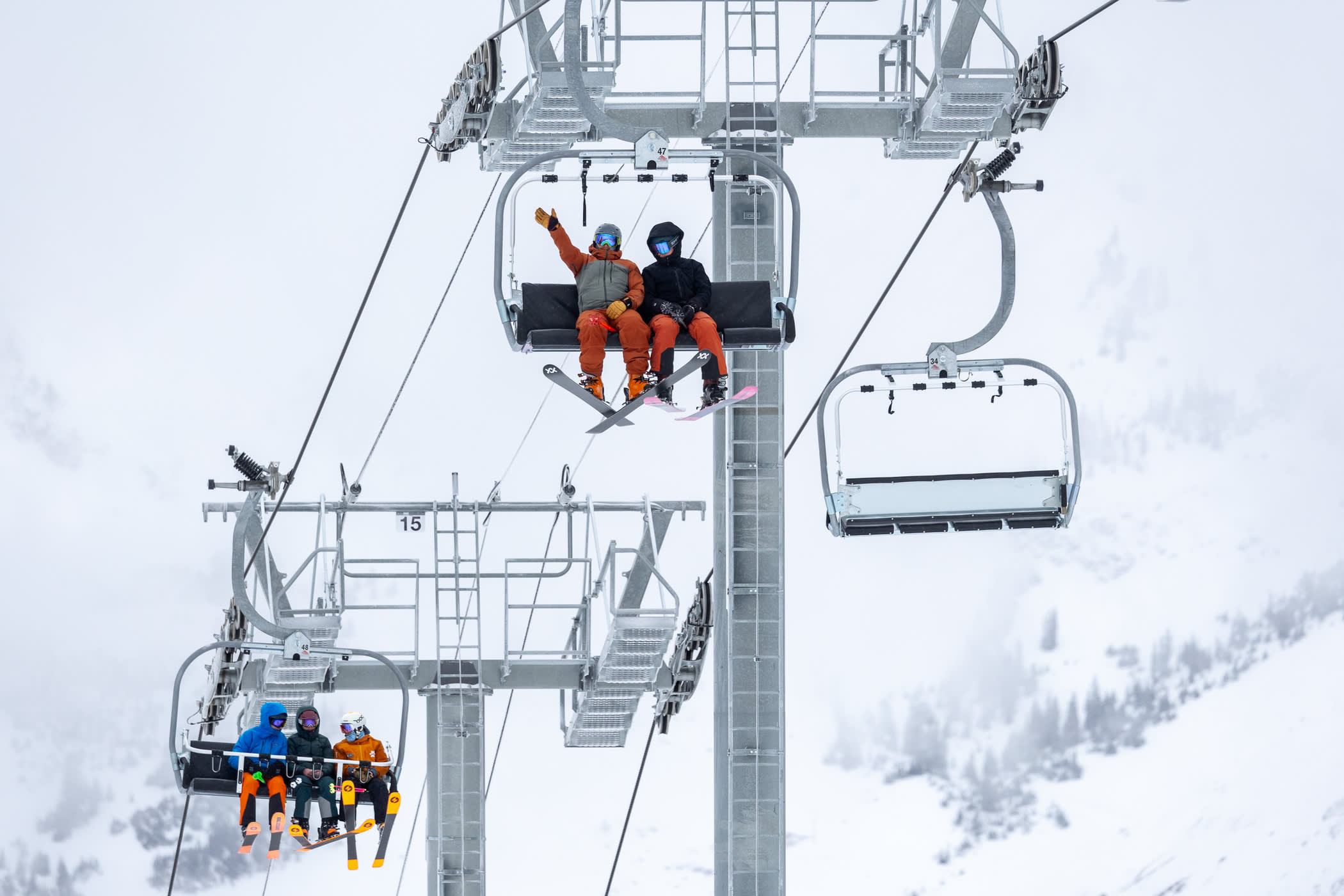
December 20th: Supreme lift is open for the season | Photo: Photo-John
Santa stopped by Alta on Christmas Eve for a few laps before heading out for the big night. As is tradition, the snow started falling shortly after his sleigh left Little Cottonwood Canyon. Snow levels started very high, but eventually one-and-a-half inches of snow fell from over an inch of water.
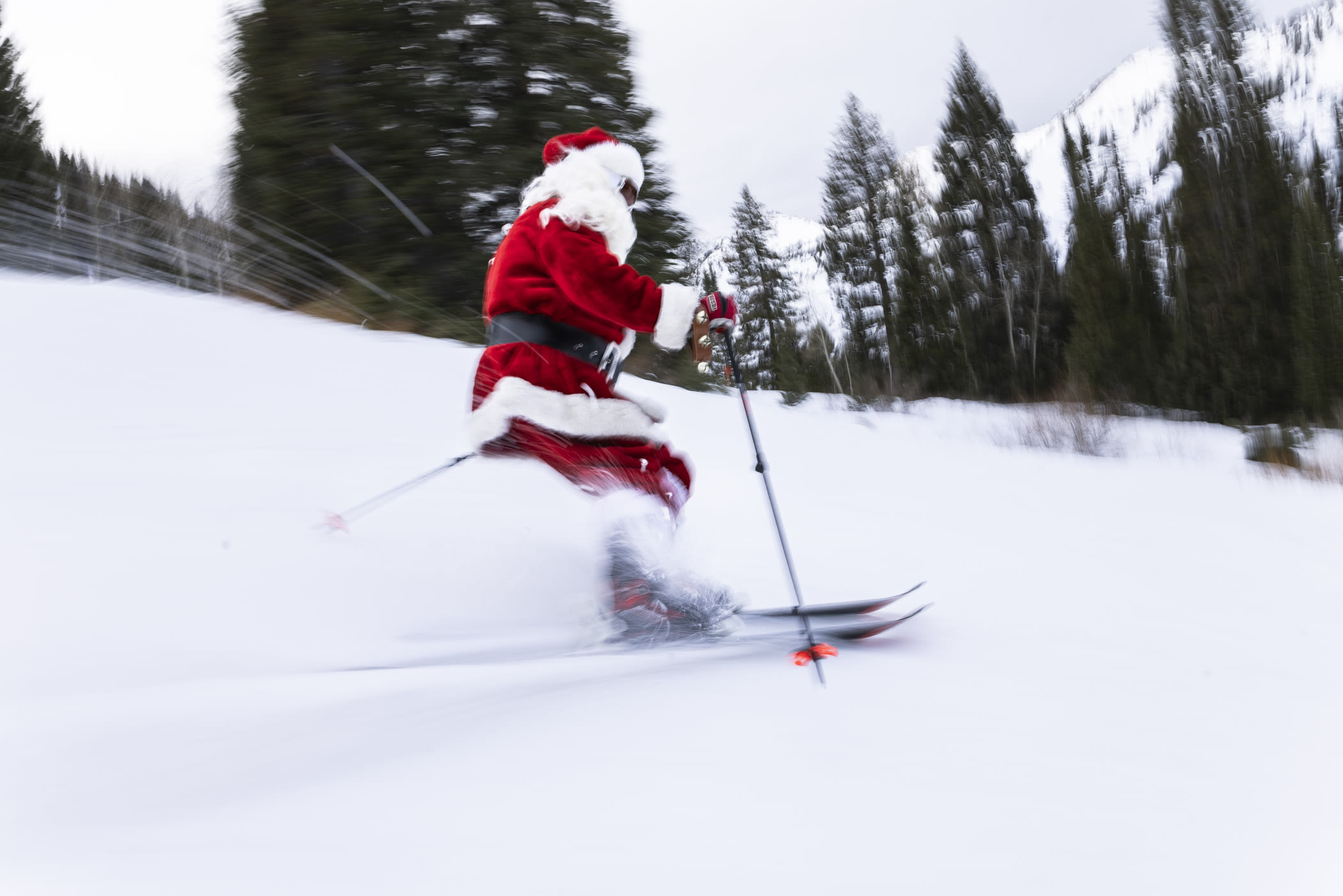
December 24th: Santa stopped by to deliver a White Christmas | Photo: Rocko Menzyk
Santa's delivery of true powder snow took a couple of days to materialize as temperatures finally began to recede to winter-like levels. The final storm of 2025 began as another round of graupel before transitioning to colder powder snow.
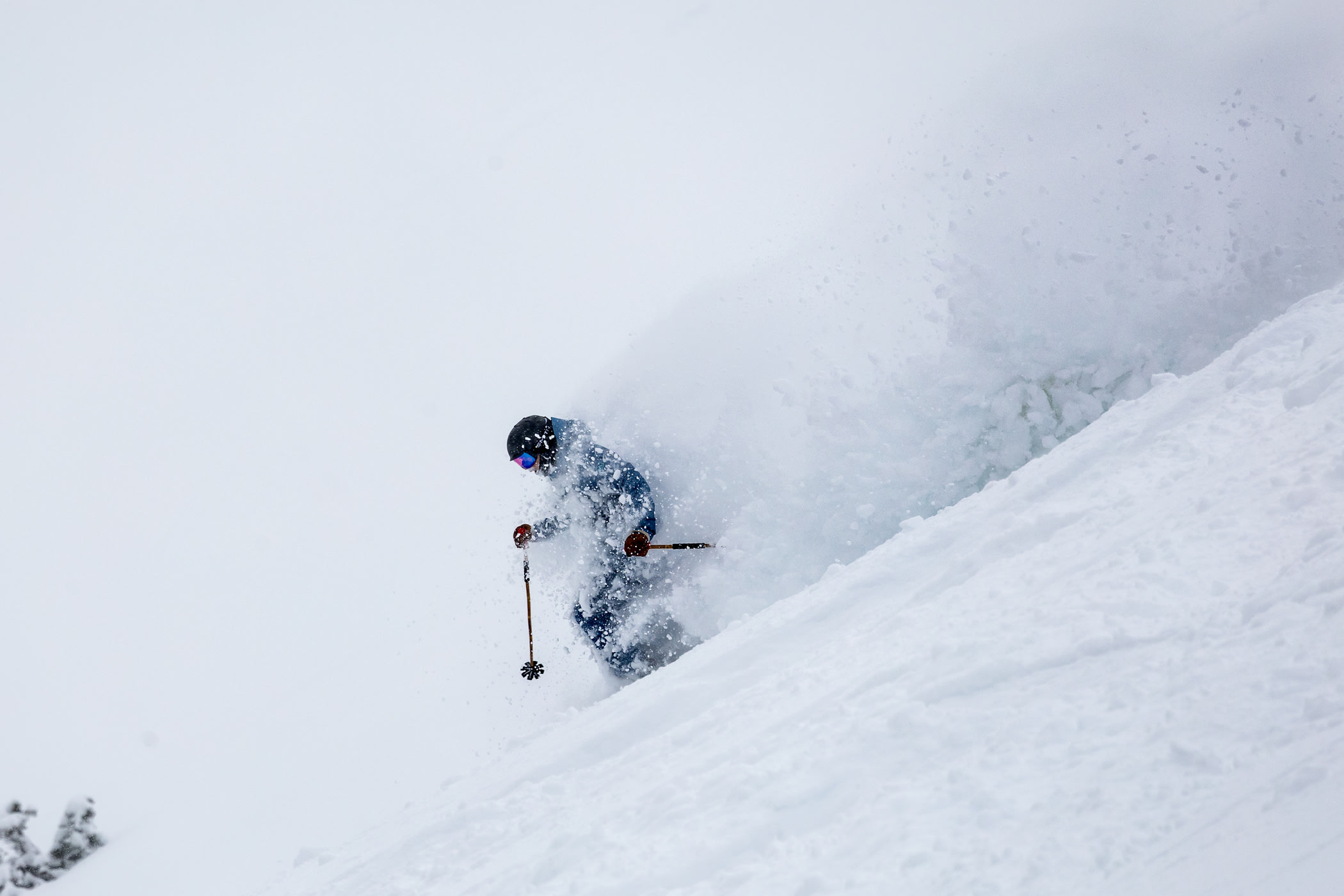
December 26th: Ian Jones skis through the storm | Photo: Photo-John
By Sunday, December 28th, 15 inches of snow had fallen and our crews went to work opening as much terrain as possible. It wasn't the bottomless blower powder that we've grown accustomed to over the past 88 years, but after a warm and weird start to the season, it was a welcome return winter.
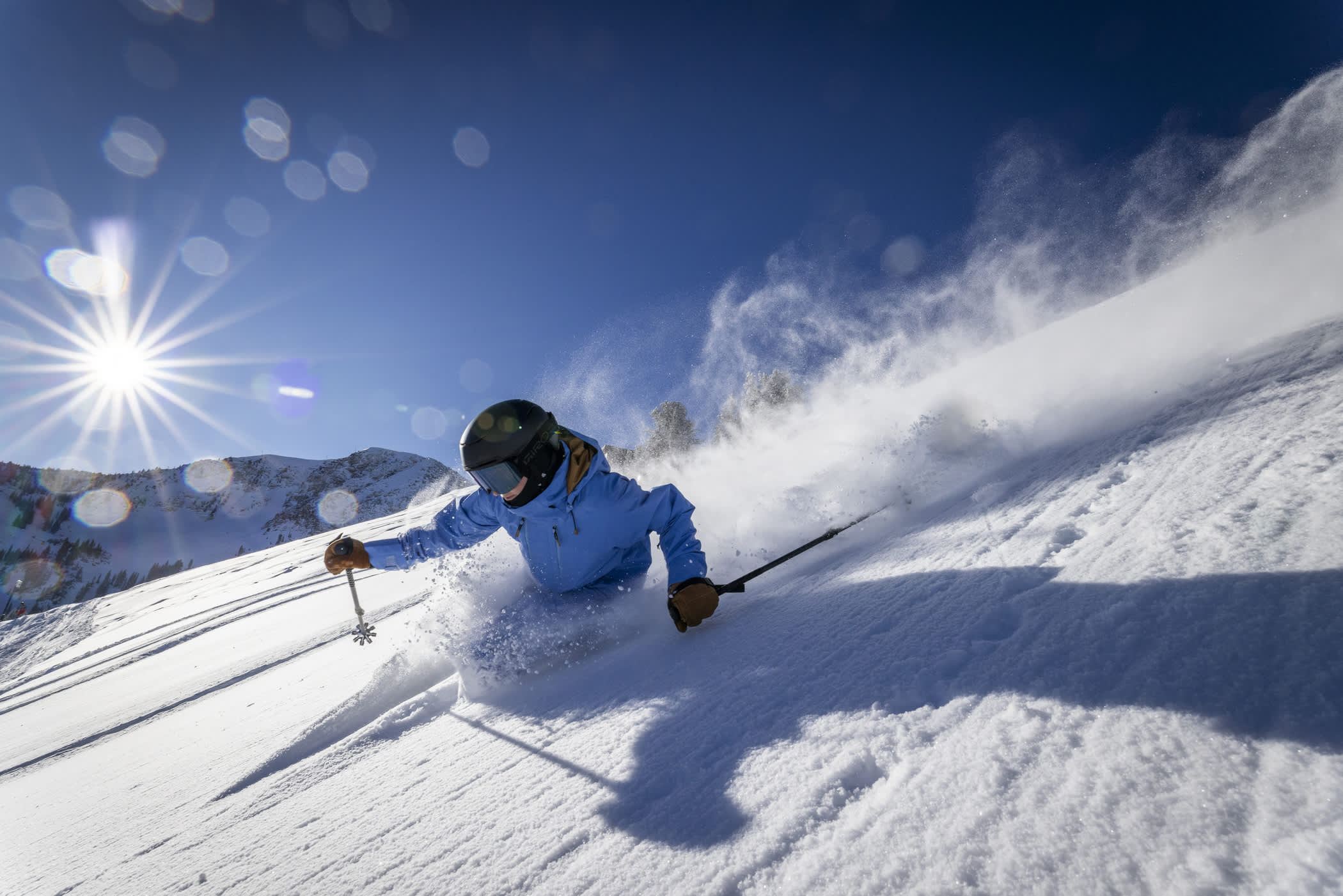
December 29th: Ana Eyssimont dives into a bluebird powder day | Photo: Rocko Menzyk
Despite the slow start to the season, the well-timed storms helped us expand our groomed terrain and off-piste skiing through the end of the month. Our snowmaking and snowcat teams worked through the nights to put down fresh corduroy for holiday skiers to enjoy gliding through the mountains with family and friends. We celebrated the end of 2025 with our annual New Year's Eve Torchlight Parade and Fireworks event—the warmer weather providing a wonderful night in the mountains.
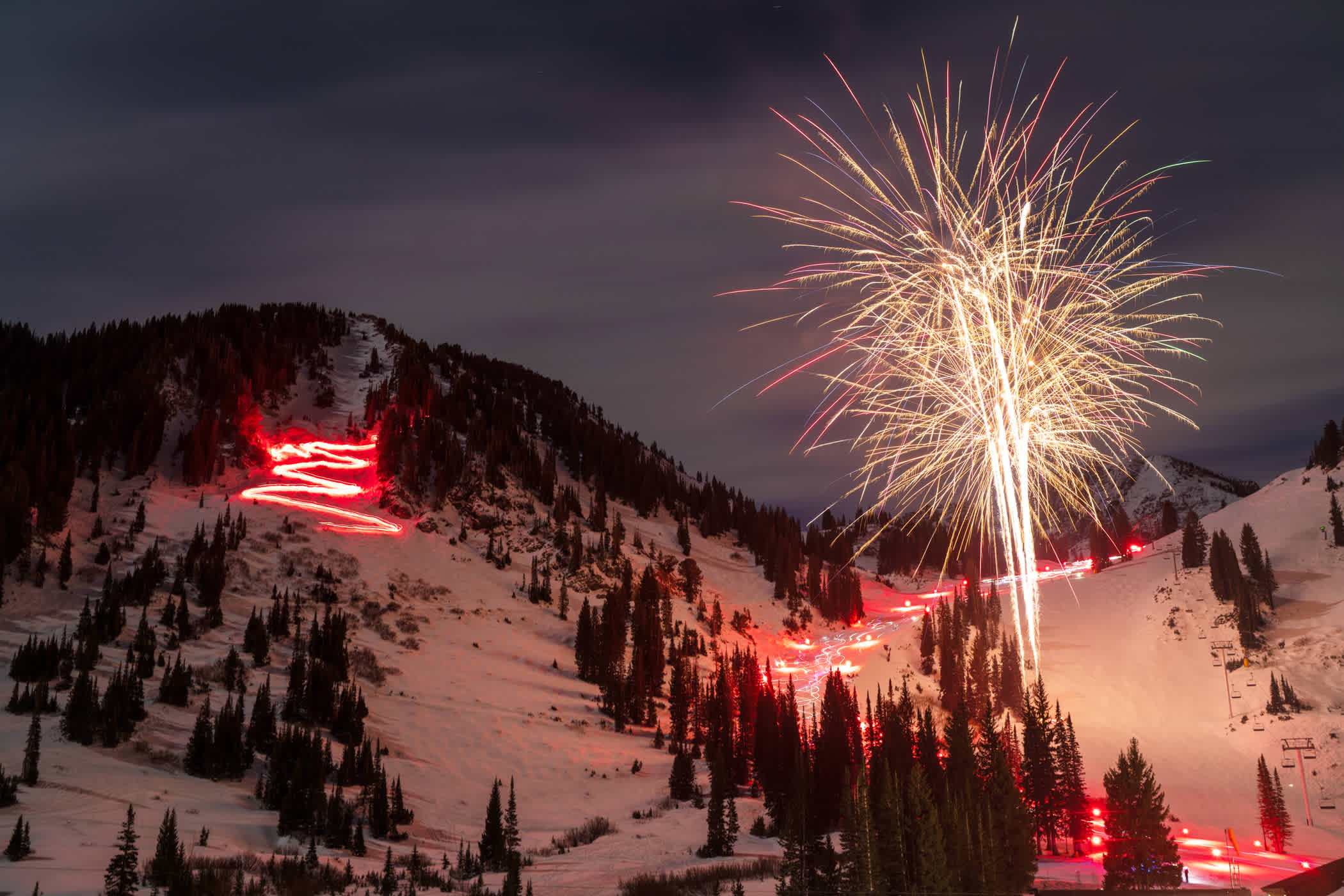
December 31st: NYE Torchlight Parade & Fireworks | Photo: Tyler Struss
In December, the Collins Study Plot recorded 45.5 inches of snow, 50.4% of the 45-year December average of 90.12 inches. December water totaled 7.21 inches, 99.6% of average (7.24").
Slow Starts through January 1st
Through January 1st, Alta Ski Area recorded 74 inches of snow from 10.97 inches of water. We saw snow in early October, only to see most of it melt. November was warm and dry as storms split before reaching the Wasatch. December ushered in a few much-needed dense, base-building storms—December water was completely average, but snowfall totals were half of the average for the month.
Ten Lowest Season-to-Date Snowfall totals through January 1st since 1980:
- 1986–87: 71.5" snow (6.01" water) | Seasonal snowfall: 354.5"
- 2025–26: 74" snow (10.97" water)
- 2017–18: 81" snow (8.55" water) | Seasonal snowfall: 388"
- 1993–94: 92.5” snow (6.31” water) | Seasonal snowfall: 450.5"
- 2011–12: 96.5” snow (9.25” water) | Seasonal snowfall: 390.5”
- 1987–88: 99” snow (7.04” water) | Seasonal snowfall: 353.5”
- 1995–96: 104.5" snow (13.98" water) | Seasonal snowfall: 543.5"
- 1980–81: 105" snow (13.23" water) | Seasonal snowfall: 437"
- 1989–90: 117" snow (9.26" water) | Seasonal snowfall: 464.5"
- 2020–21: 130.5" snow (8.74" water) | Seasonal snowfall: 486.5"
The 2025–26 season is the second-least-snowiest start in the past 46 years. And those starts have translated to some of the least-snowiest seasons at the Collins Study Plot.
Ten Lowest Season-to-Date Water totals through January 1st since 1980:
- 1986–87: 6.01" water (71.5” snow) | Seasonal snowfall: 354.5"
- 1993–94: 6.31” water (92.5” snow) | Seasonal snowfall: 450.5"
- 1987–88: 7.04" water (99” snow) | Seasonal snowfall: 353.5"
- 2017–18: 8.55" water (81” snow) | Seasonal snowfall: 388"
- 2020–21: 8.74” water (130.5” snow) | Seasonal snowfall: 486.5"
- 2011–12: 9.25” water (96.5” snow) | Seasonal snowfall: 390.5”
- 1989–90: 9.26” water (117” snow) | Seasonal snowfall: 464.5”
- 2025–26: 10.97” water (74" snow)
- 1999–2000: 11.25” water (143.5" snow) | Seasonal snowfall: 508.5”
- 2015–16: 11.68" water (161.5" snow) | Seasonal snowfall: 438.5"
Looking at our season-to-date water inspires some hope. As the eighth-driest start in the past 46 years, the water content of the snow puts us in the company of the next tier of seasons, just above the historically bad years.
January 11th Update:
Sure enough, the New Year has ushered in the return of winter. As temperatures have cooled, the storms have delivered plenty of snow, water and deep powder days. Season-to-date snowfall totals are still below average, but our snowpack has recovered to near normal—according to Open Snow, Alta's snowpack is now 80% of average. Let's hope this New Year, New Snow trend continues.
Add Your Comment