
Issue no. 108
Download the Fall 2026 Newsletter
The Alta Environmental Center's (AEC) Fall 2026 Newsletter—reflecting on summer stewardship and education, restoration progress, checking on Alta's forest health, new partnerships, ski pass recycling and looking forward to winter 2026–27 events.
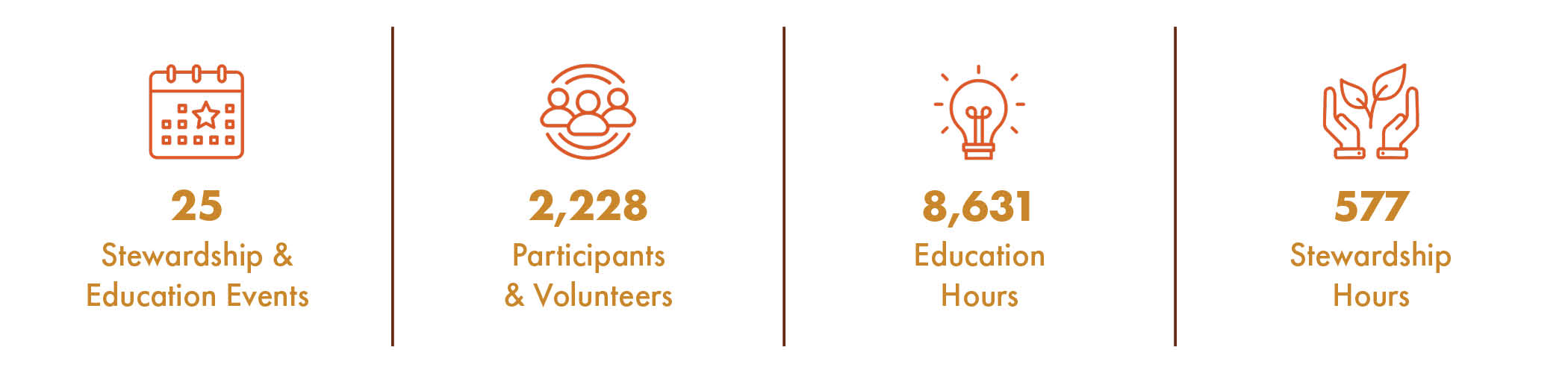
Summer Reflection: By The Numbers
From hands-on stewardship events to engaging educational programs, the AEC brought people together this summer to explore, learn about and care for Alta’s mountain environment.
 Thank you to our wonderful partners who help bring these programs to life.
Restoration Progress
This summer, the AEC continued restoration efforts across the mountain, from P-Ridge to Catherine’s, focusing on four major projects: Upper Sleepy Hollow, Supreme Snowmaking Line, High Mambo and Transfer Tow.
10,525 native plants planted
1,145 native trees planted
108 acres monitored and treated for invasive plant species
Upper Sleepy Hollow
Restoration Year 3 of 3
Following snowmaking infrastructure upgrades in 2023, this area received 927 native plants this summer.
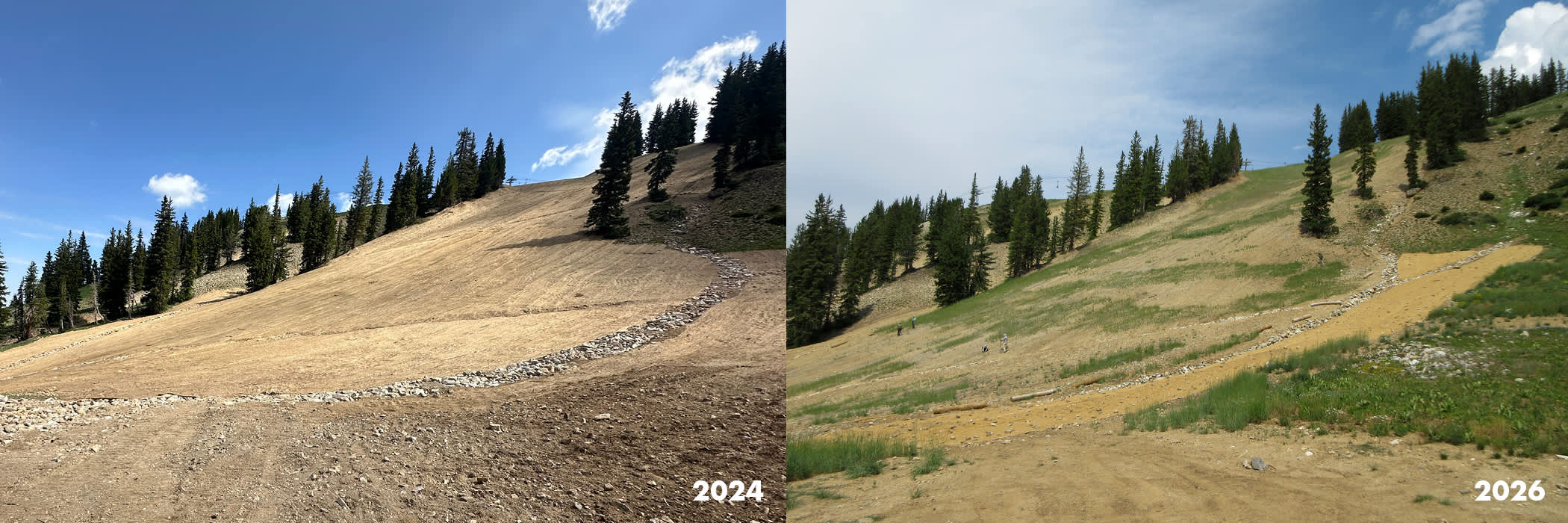 Upper Sleepy Hollow year one vs year three of restoration work | Photo: Anna Lee
Over the course of three years, this site has received a total of 2,431 plants. The AEC will continue to monitor and maintain this area in the coming years.
Supreme Snowmaking Line
Restoration year 3 of 3
Snowmaking infrastructure in the Supreme area was replaced in 2023. This summer, the disturbance zone received 927 native plants.
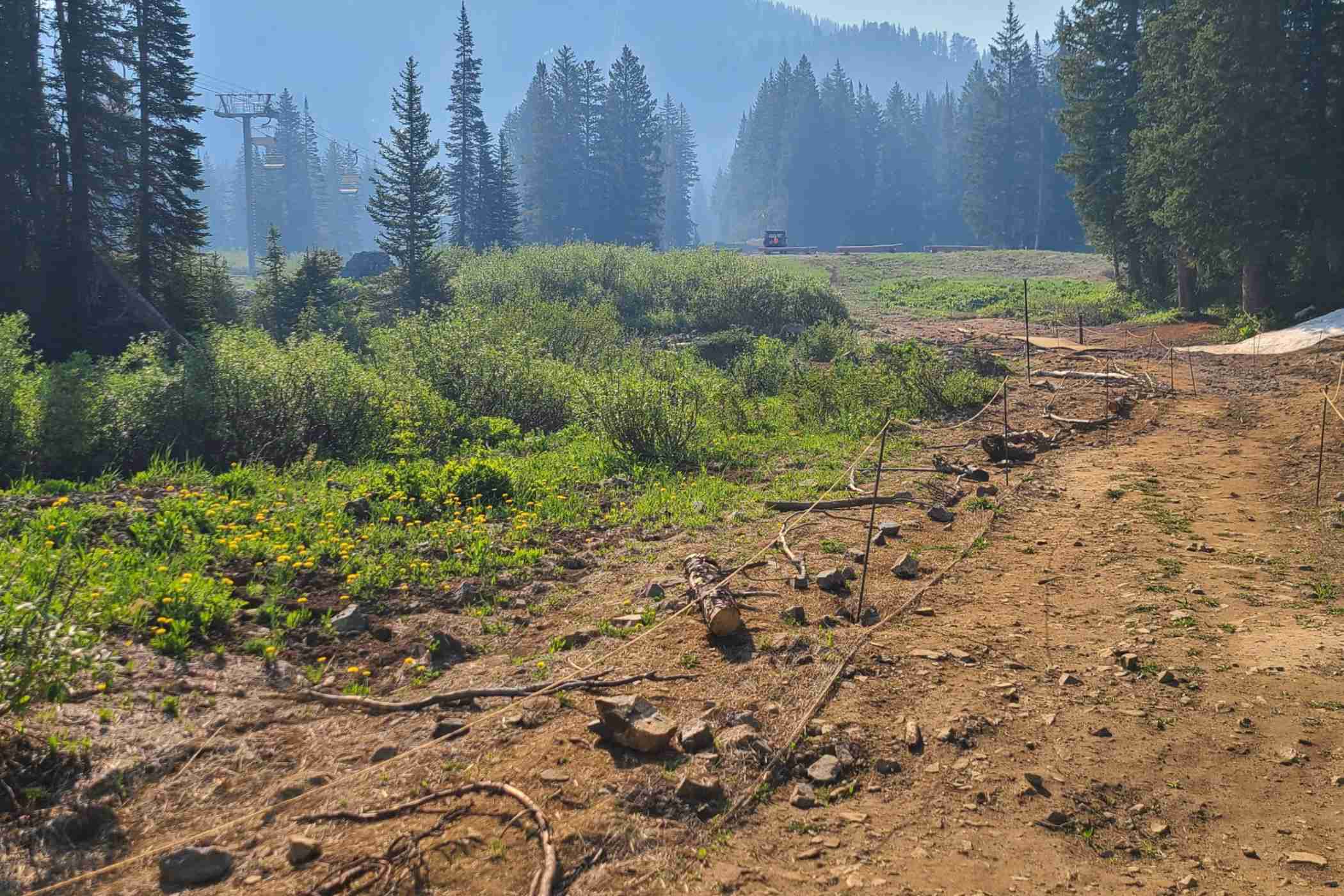 West side of the Supreme Snowmaking Line restoration site in the summer of 2026 | Photo: Pat Sayers
Over the course of three years, this site has received a total of 2,431 plants. This site will continue to be monitored and maintained for the coming years.
High Mambo
Restoration Year 2 of 3
Regraded in 2024 to improve safety and snowmaking efficiency, High Mambo received 1,017 native plants this summer, along with intensive invasive species monitoring and removal.
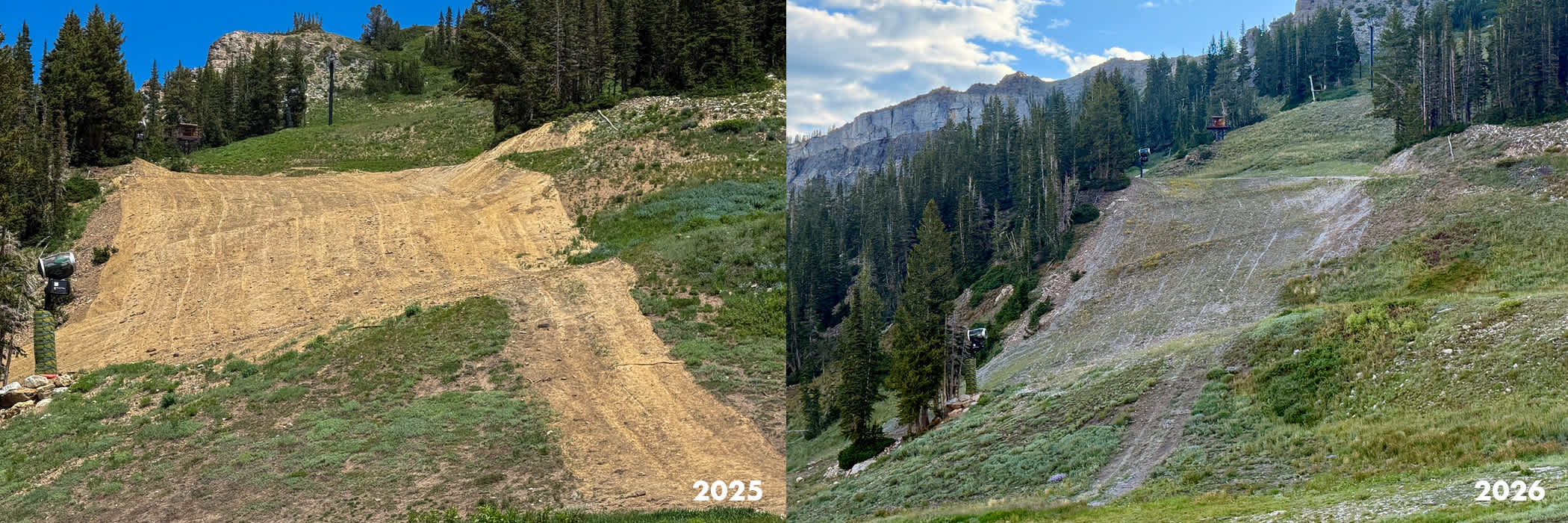 High Mambo restoration site year one vs year two | Photo: Anna Lee
The final round of planting is scheduled for summer 2027.
Transfer Tow
Restoration Year 1 of 3
Following snowmaking infrastructure upgrades and archaeological excavation in 2025, restoration began this summer with 2,000 native plants and a layer of hydroseed—a new method for revegetating disturbance areas.
 First hydroseed layer on the Transfer Tow in the summer of 2026 | Photo: Anna Lee
Over the next two years, efforts will focus on monitoring hydroseeding success, continued planting and invasive species control.
Base Area
Each year, small-scale planting projects are carried out throughout the Albion and Wildcat base areas.
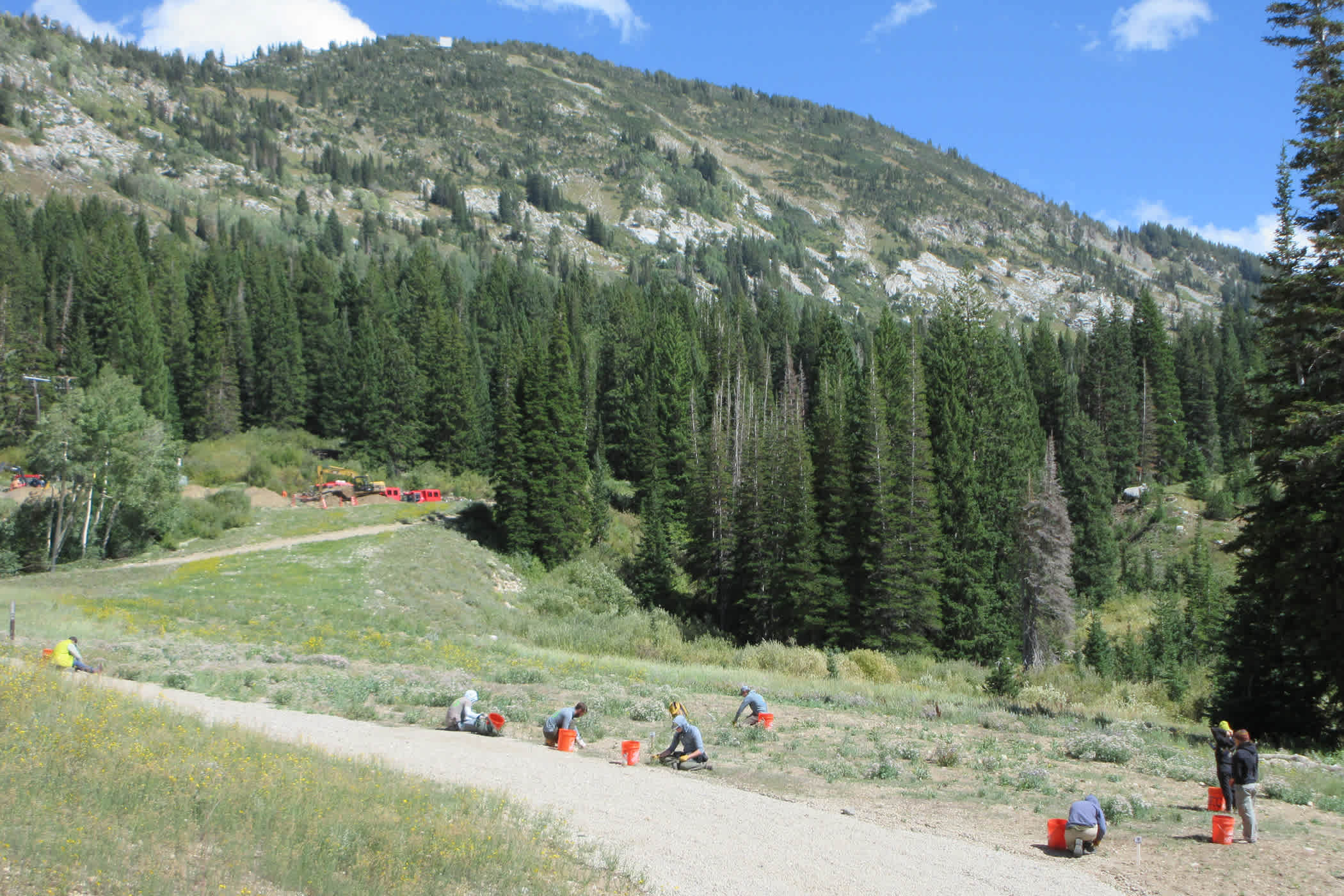

Restoration work in the Albion base (left) and Wildcat base (right) during Community Volunteer Day | Photo: Anna Lee & Adam Fehr
This summer, a total of 2,038 plants were planted at various locations.
Educational Adventures
Stewardship begins with building a meaningful connection to the land. Through fun, interactive educational experiences, our Junior Ranger and SKE-COLOGY programs inspire recreators of all ages to explore Alta’s unique ecosystems, discover its rich history and deepen their appreciation for the natural environment all year long.
Junior Ranger
The Junior Ranger program connects young explorers of Alta with nature—inspiring the next generation of stewards that will shape Alta’s future.
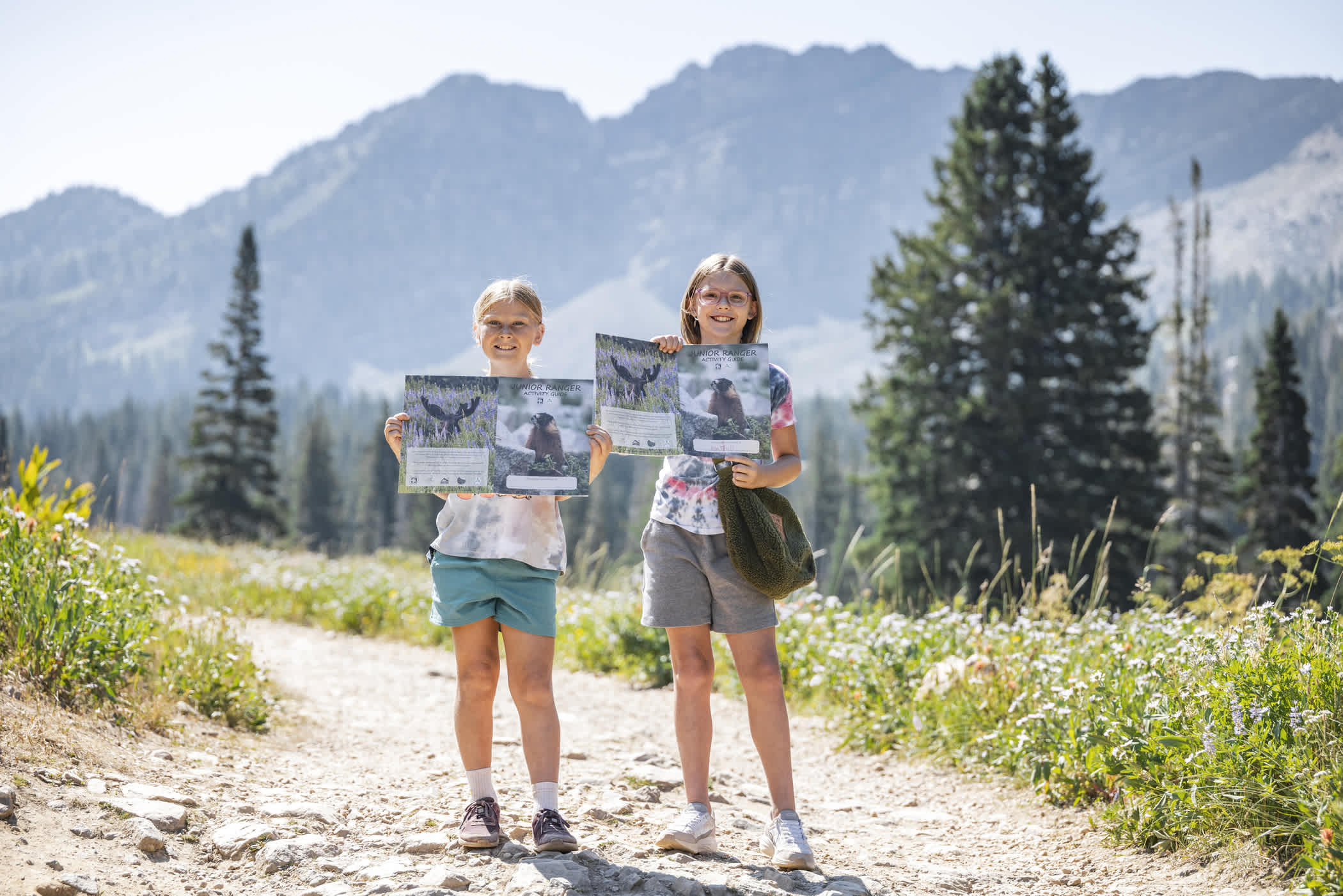 Alta's Junior Rangers in action | Photo: Rocko Menzyk
Participants complete a booklet of conservation-focused activities before being sworn in as official Junior Rangers—pledging to continue learning about, care for and protect the environment both here and abroad.
SKE-COLOGY
SKE-COLOGY is a self-guided, educational scavenger hunt that makes learning in the mountains fun for recreators of all ages. In the summer, hikers can use a map to locate the ten interpretive signs hidden along the Upper Albion Meadows Trail.
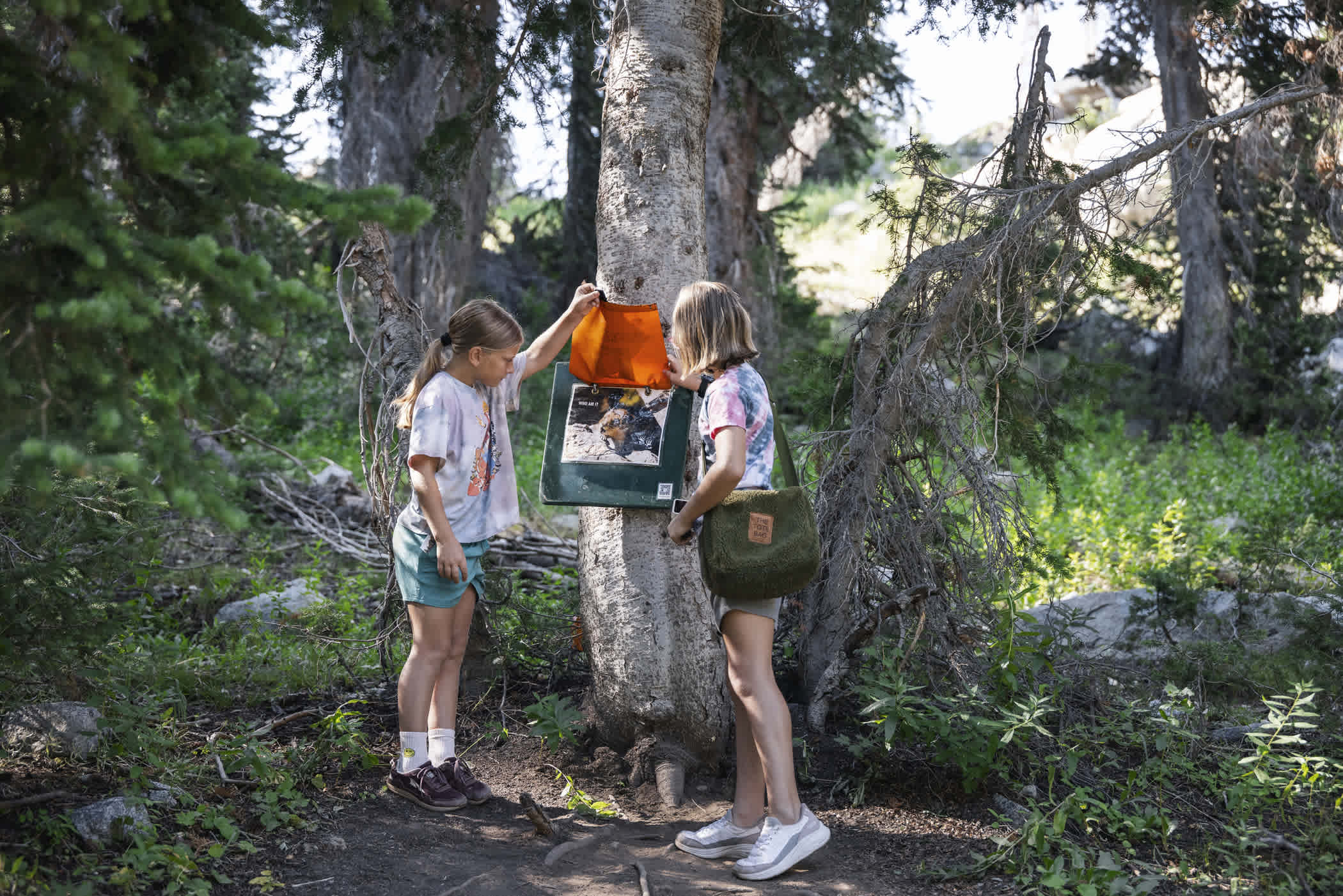 Young explorers learning about the ecology of Alta from a SKE-COLOGY sign | Photo: Rocko Menzyk
Each stop reveals fascinating facts about Alta’s ecology, geology, wildlife and history—building connections to the land.
Checking on Alta's Forest Health
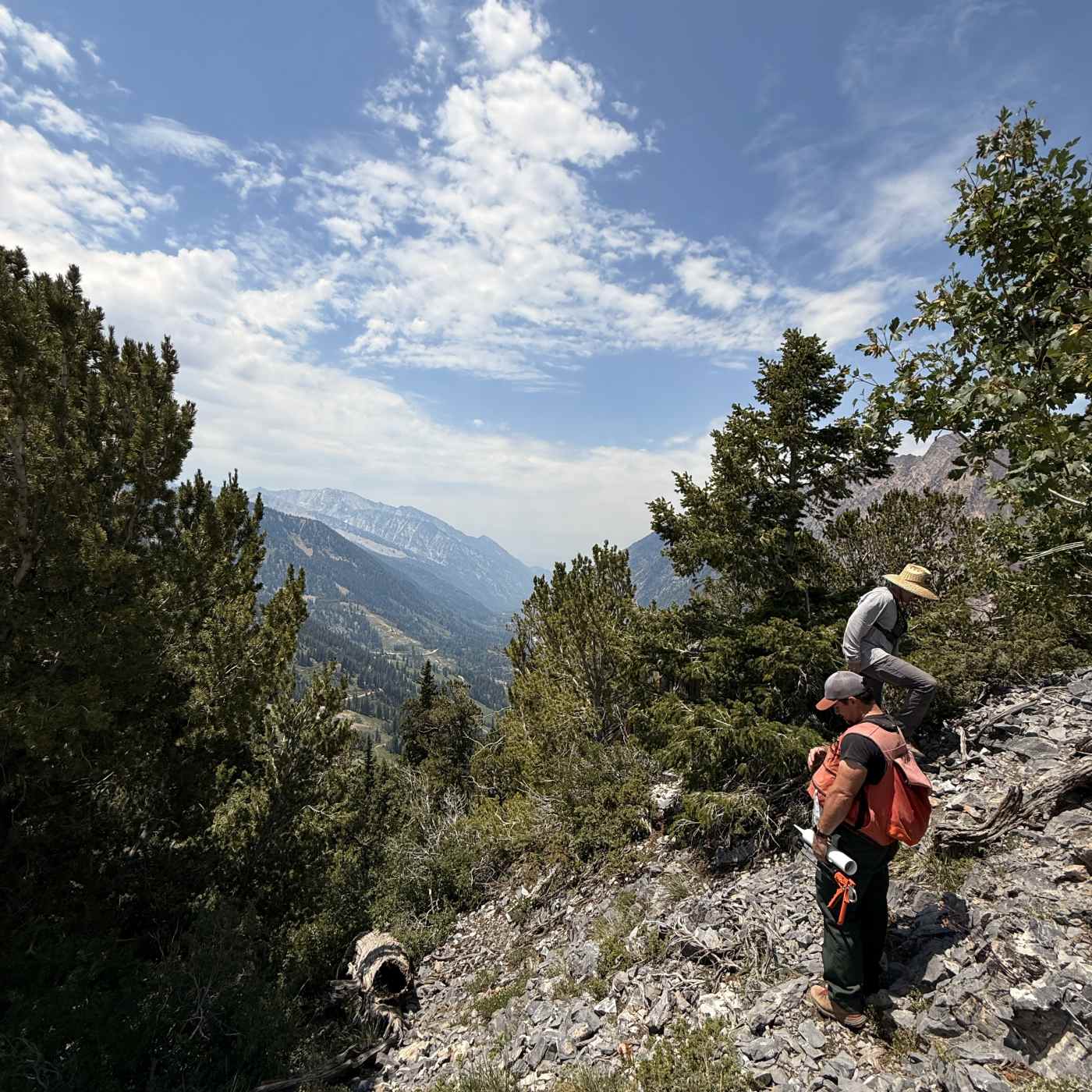 This July, Jen Melton and Anna Lee from the AEC and Alta’s Ski Patrol Director Matt Leri joined U.S. Forest Service entomologist Ryan Davis to assess the ski area’s forest pests and discuss management recommendations. Subalpine fir mortality is occurring at a low but steady rate at Alta. This decline is often associated with a “mortality complex”—a combination of stressors such as drought, heat, root disease and insect activity.
Evidence of several contributing factors was observed, but no single cause of mortality for this species could be determined during the visit. Warmer summers, prolonged droughts and declining snowpack may increase these pressures on our forest in the years ahead. Balsam woolly adelgid—an invasive insect recently confirmed at Alta—adds another concern for subalpine fir and will require continued monitoring.
No spruce beetle activity was found in standing Engelmann spruce, but beetles were discovered beneath one downed log at Alta’s sawmill. Following the visit, all wood at the sawmill area was promptly removed, transported down the canyon and chipped to reduce the risk of beetle populations building in felled logs.
A group of limber pines previously killed by mountain pine beetles was also identified, with no current attacks found in nearby trees. With mountain pine beetle-related limber pine mortality increasing at Alta and across Utah, these trees will remain a priority for monitoring.
Overall, no widespread beetle outbreak was identified in the areas inspected. We are grateful to Alta Ski Patrol and Summer Trail Crew for serving as additional eyes on the mountain and helping identify changes in forest health.
An additional thank you to the U.S. Forest Service for sharing its expertise, technical resources and management guidance as we care for this part of the Uinta-Wasatch-Cache National Forest. Our goal is to take a proactive, informed approach to protecting forest health for current and future generations
Ecological Society of America
The AEC welcomed the Ecological Society of America to Alta Ski Area for an educational field trip exploring the area’s unique ecology and the rich biodiversity of Cecret Lake and Albion Basin.
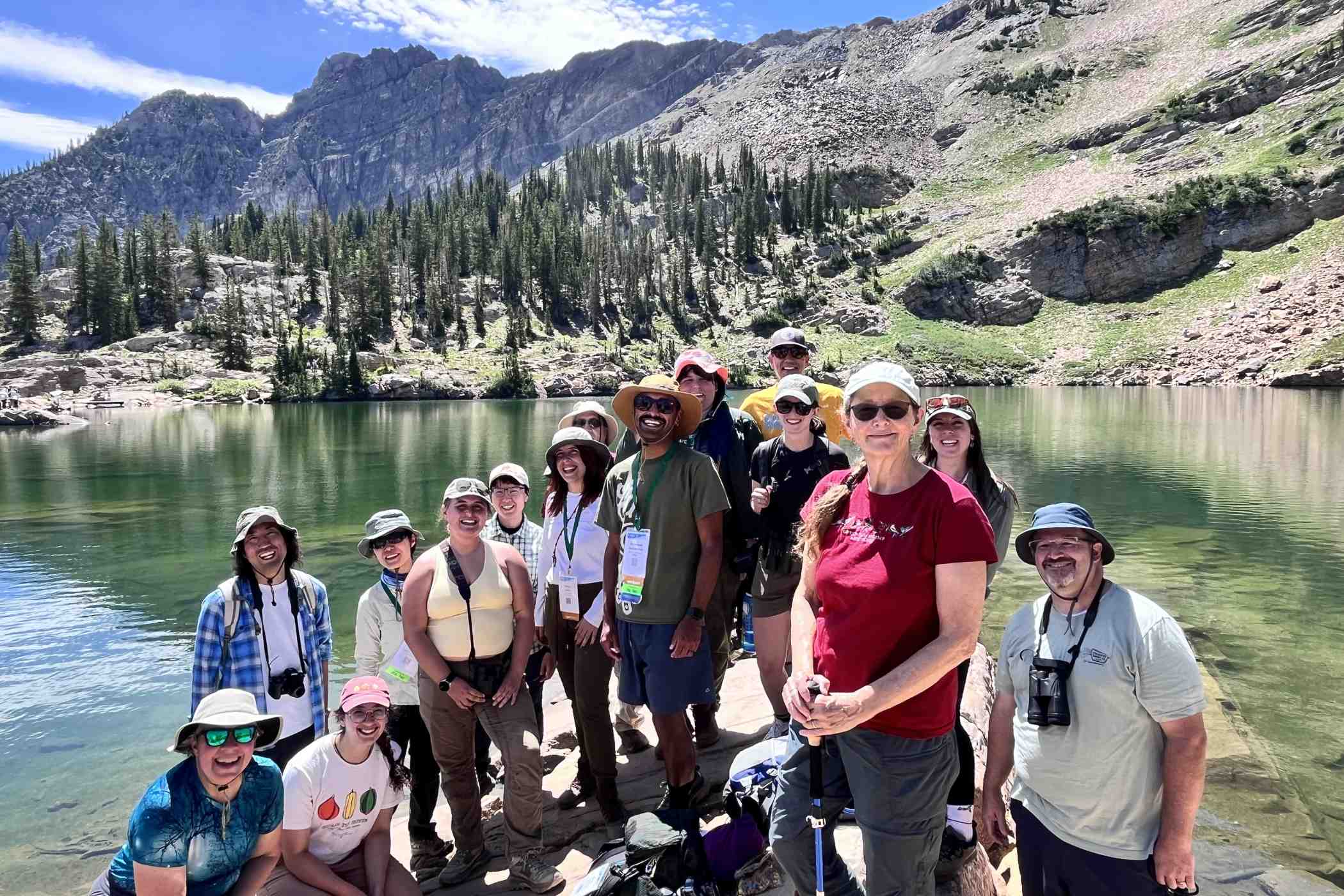 Ecological Society of America field trip group member | Photo: ESA
Experts shared insights into the area’s unique paedomorphic tiger salamanders, vibrant wildflowers, pollinator diversity and ongoing ecological restoration efforts by the AEC. The excursion brought together a total of 18 participants from around the world—including Brazil, China and Japan—offering a firsthand glimpse into the magic of summer at Alta.
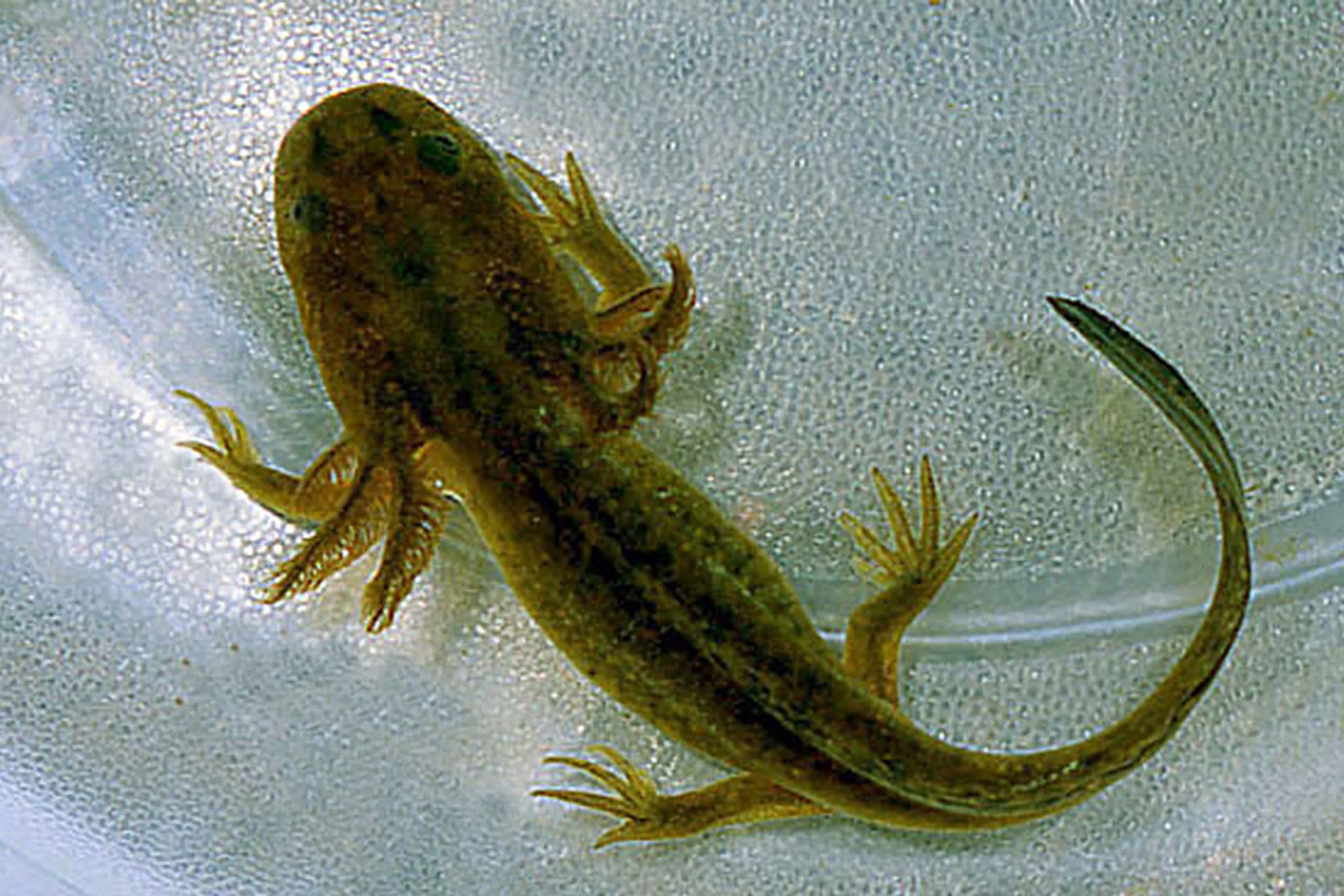 Paedomorphic Tiger Salamander | Photo: Gary Nafics, USU Extension
Did you know... Paedomorphic tiger salamanders reach adulthood and reproduce without undergoing the typical physical changes—retaining external gills and finned tails while living entirely underwater
Pass Recycling
The 2025–26 ski season marked Alta’s first full winter—November through April—of collecting retired plastic ski cards as part of our ongoing efforts to reduce plastic waste. By the end of the season, we had gathered a total of 95.72 pounds of plastic ski cards. That is roughly the same weight as:
10 pairs of skis
12 pairs of boots
13 million snowflakes
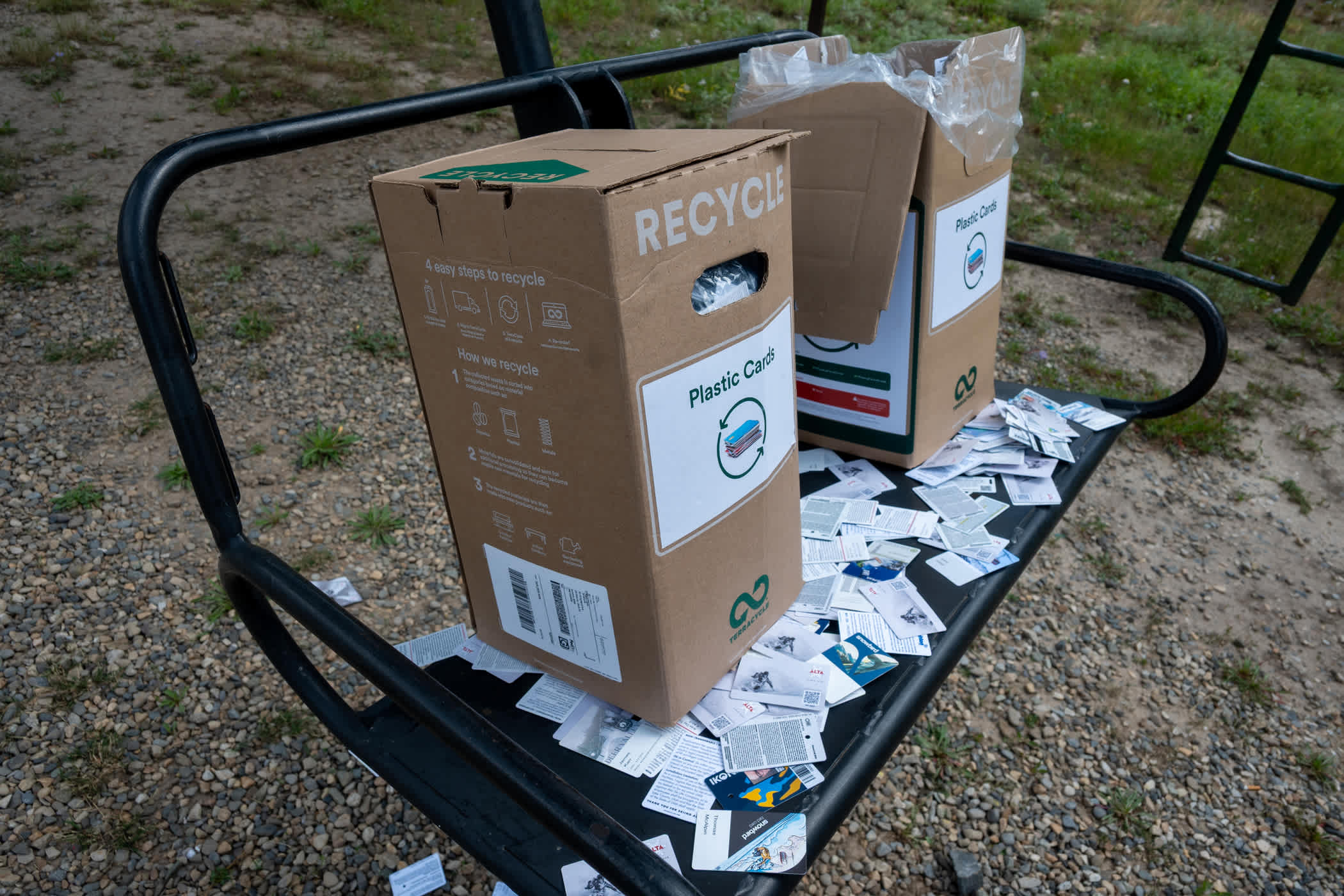 95.72 pounds of plastic ski cards collected in the 2025–26 | Photo: Adam Fehr
With the assumption that each card weighs roughly five grams, approximately 8,684 passes were diverted from the landfill. While this only represents a fraction of the passes put into circulation each winter, this effort marks a meaningful step toward reducing our environmental footprint.
Help reduce waste this season by reloading your existing Alta ski card on alta.com or at any ticket window. If your pass is at the end of its life, bring it to us to properly recycle.
2026–27 Winter Education Events
Branch out and explore Alta through a new lens this winter with the AEC’s free, weekly educational events on skis and snowshoes from December through April. Registration requirements, age restrictions and skiing ability levels vary by event.
Birding On Skis
First and Third Thursdays
Learn to identify Alta's birds by sight and sound while skiing with expert birders from Tracy Aviary.
Ski With a Ranger
Every Thursday
Explore Alta's ecology, geology, wildlife and history on the slopes with a naturalist ranger,
Trees and Skis
Second and Fourth Thursdays
Ski with an arborist to learn about the trees of Alta, conservation and the deep history rooted in the slopes.
Snowshoe With a Naturalist
Third Fridays
Explore Alta's high alpine ecosystems on snowshoes with a naturalist.
Journey Through Historical Snowscapes
Friday, February 26th
Discover how Alta has transformed from a bustling mining town to a renowned recreation hub.
Alta Earth Day
Saturday, April 17th
Celebrate, learn and take action to protect the place we call home.